The Three Clocks Along Laurel's Main Road
August 20, 2026
August 20, 2026
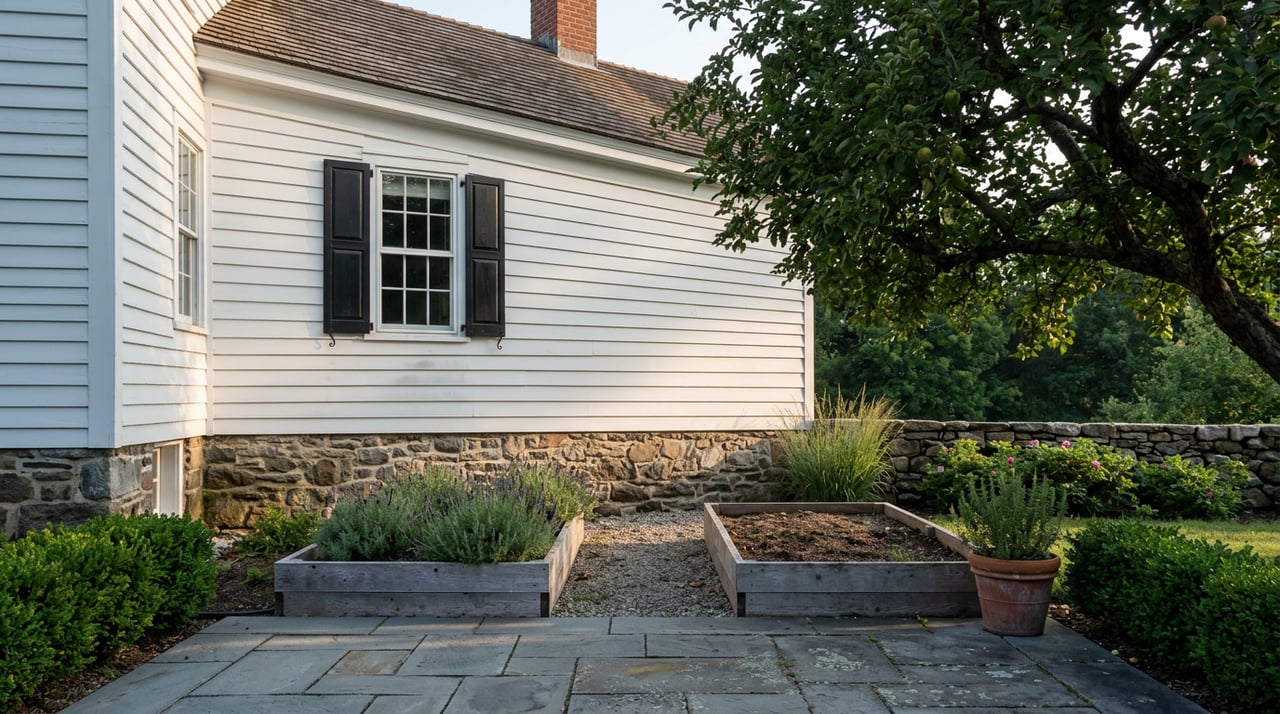
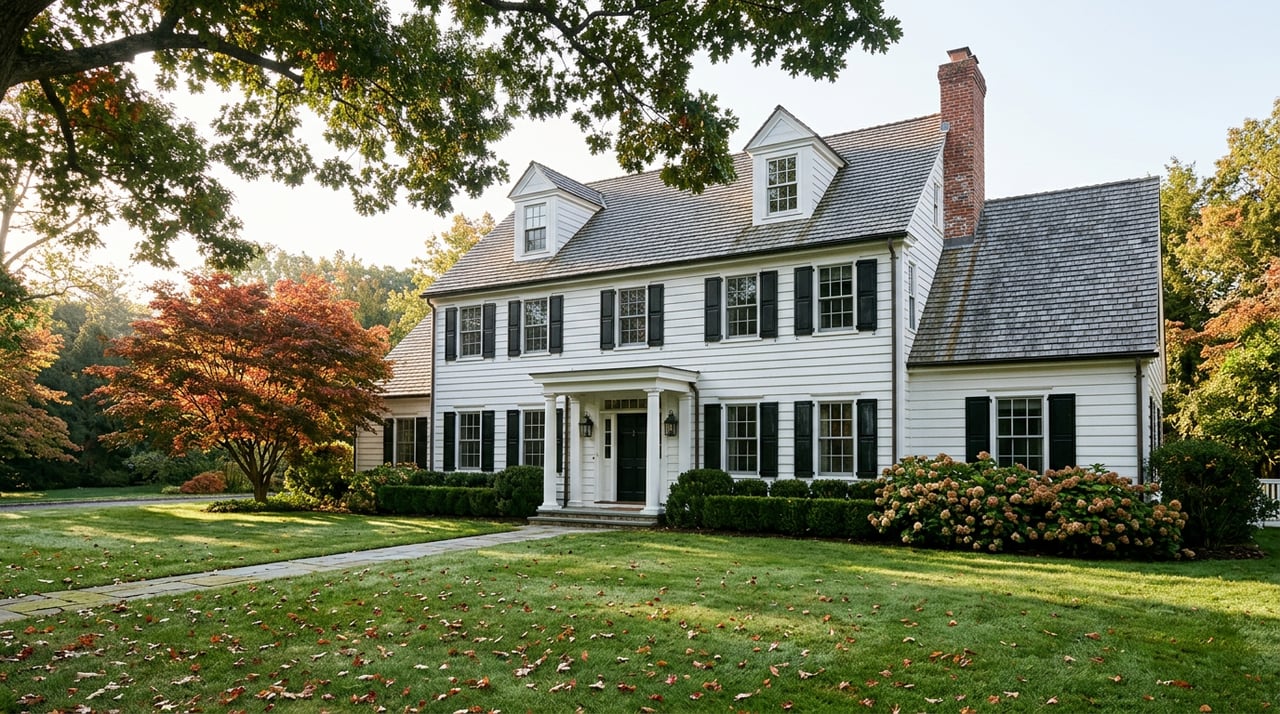
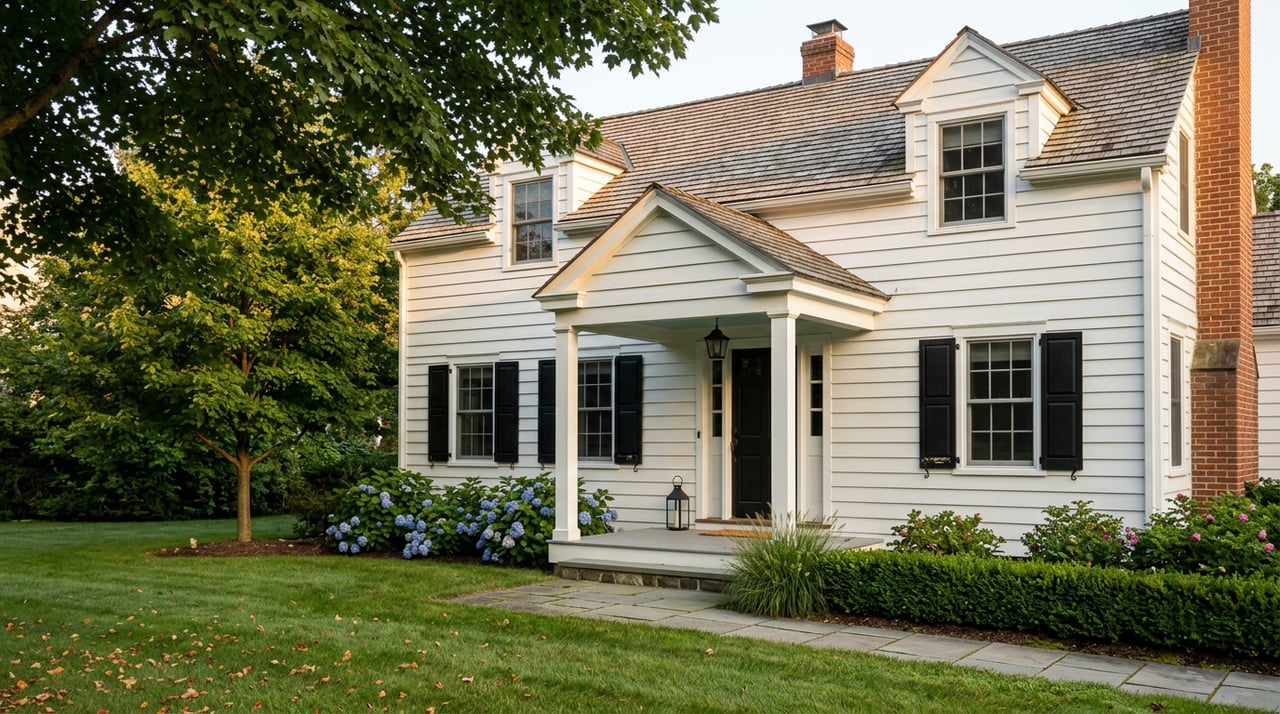
A flatbed truck idles outside 1982 Main Road most weekday mornings this summer, tailgate down, stacked with reclaimed lumber cut to match clapboard that has been on this house since before the Civil War. Fifty yards south, the line at Main Road Biscuit Co. has already come and gone by ten. A half mile north, the trailhead at Laurel Lake Preserve sits nearly empty, the way it does most Tuesdays, water still enough to count the ripples from a single largemouth bass working the shallows. Three points on one short road, three completely different paces of change. That contrast, more than any single opening or event, is what actually defines Laurel this season.
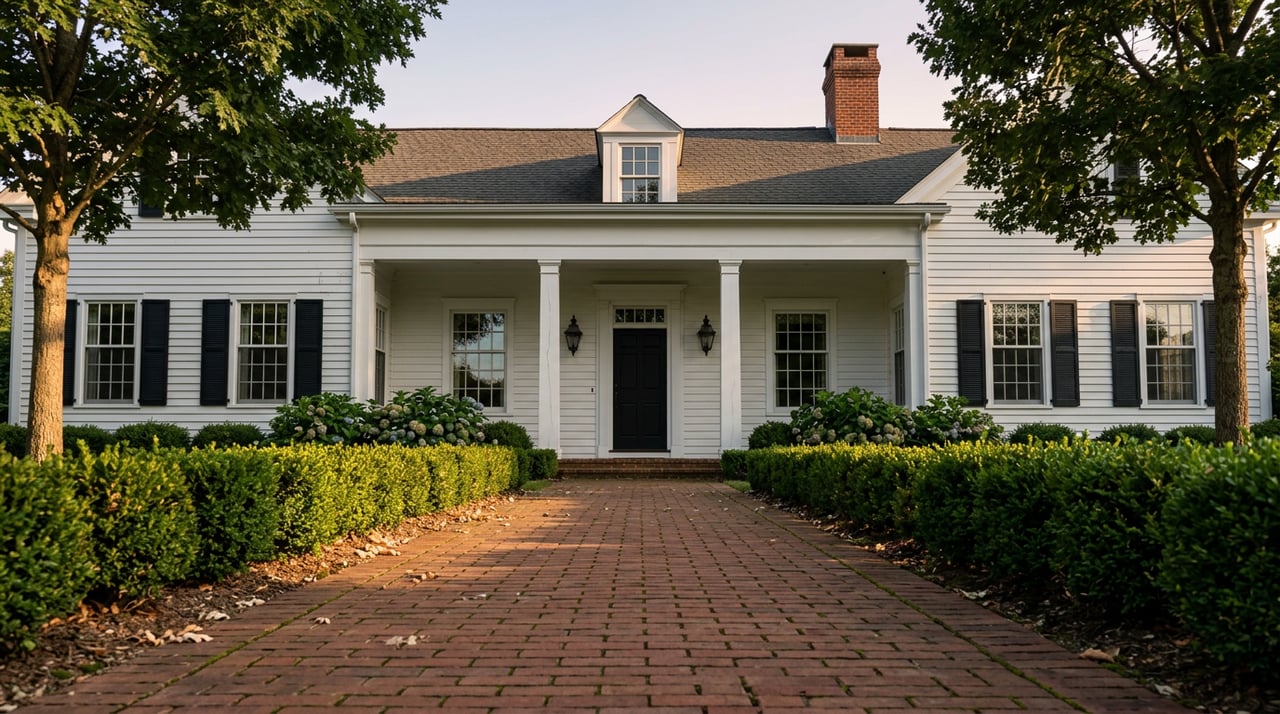
A Riverhead Local report on the restoration identifies the house at 1982 Main Road as a 19th-century farmhouse known locally as the Skidmore-Penny house, and says Patrick and Carrie Casey bought it in September 2025 and have been restoring it slowly, preserving original details while bringing the place up to modern living standards. The couple runs a film production company in Manhattan, and this is not a gut renovation finished in a season.
That pace is the point. A local preservation voice quoted in coverage of the project noted that homes like this one usually meet a different fate on the North Fork: demolished, left to rot past saving, or torn down for new construction. The Caseys' project, alongside a similar effort on a fire-damaged historic house in Riverhead, stands out precisely because it is going the other direction. Eleven months in, as of this August, the restoration is still visibly underway, still choosing repair over replacement, board by board.
If you live near Main Road, you already know this house by sight. What is easy to miss is that its current owners are making a choice that most owners of pre-Civil War farmhouses on the North Fork do not make. The clock on this project is measured in years, not weekends, and it is still running.
Half a mile from the Casey house, Laurel Lake Preserve holds a different kind of timeline entirely. The lake at its center is a kettle hole, formed more than 10,000 years ago when a block of glacial ice, buried in retreating debris, melted and left behind a hollow that filled with groundwater. It has no inlet and no outlet stream, which is why the water has stayed unusually clean for a Long Island pond, according to the signage posted at the trailhead. Largemouth bass work the shallows year-round, and the state stocks the lake with rainbow and brown trout. Otters, ospreys, snapping turtles, and the occasional fox show up often enough that regular hikers stop mentioning them.
None of that required human effort. What did was the process of protecting it. The Peconic Land Trust spent nearly 15 years assembling the preserve from 18 separate parcels, a patchwork of small land deals rather than one large donation, finishing in 2005 when the McFeely family conserved the final 31 acres. That last piece brought the total protected land to more than 500 acres and opened a trailhead connecting Main Road to North Road through 14 miles of trail. The marked loop most people walk today, a 2.6-mile route through oak, hickory, beech, and maple that takes under an hour, only exists because that 15-year assembly finished.
The lake itself needed no help. Getting to walk around it did.
Compare that to the clock running at Wowak Farms, a few minutes down Main Road. One longtime visitor who spends May through November in Laurel each year described loading a car with Wowak cauliflower and broccoli before heading home for the winter, a small ritual repeated every fall. That is a clock that resets completely every twelve months. Whatever grew this August will be gone by October, replaced by whatever grows next spring, with no accumulated history beyond the reputation the farm has built one season at a time.
Main Road Biscuit Co. runs on an even shorter cycle, one morning batch after another, no long game beyond getting the next tray right. Laurel Lake Vineyards, which grows, produces, and bottles sixteen varieties on-site with both indoor and outdoor tasting space, sits somewhere between the two: a growing season shapes the wine, but the vines themselves are a longer-term bet than a broccoli crop, even if shorter than a farmhouse restoration or a land trust assembly.
Put those three next to the Casey house and the preserve, and the range becomes obvious. A biscuit shop resets daily. A farm stand resets annually. The vineyard, farmhouse restoration, and preserve each run on a longer timeline: a multi-year growing cycle, years of careful work, and fifteen years to protect something that had already existed for ten millennia. Those are three different clocks, all ticking along Main Road.
Main Road through Laurel is short enough to walk end to end in under half an hour, but the pacing along it is not uniform, and that unevenness is the actual story here. A place this small could easily read as simple, one general store's worth of character stretched thin. Instead it holds a farmhouse being saved at the rate its owners can manage around their day jobs, a lake that predates every structure on the road by ten thousand years, a preserve that took a generation of patient land deals to open to the public, and a produce stand and bakery that start over from nothing every single season.
None of these paces are competing with each other. The bass in Laurel Lake do not care that the Caseys are still sanding trim at the farmhouse. The broccoli at Wowak Farms will come up again next spring whether or not the farmhouse restoration is finished by then. What makes walking Main Road interesting right now, if you already live here, is noticing how many different clocks are running at once on a street short enough that you can hear all of them from roughly the same spot.
That is not something a listing sheet or a drive-through will tell you. It takes actually walking the road, more than once, across more than one season, to see it.
If you are weighing a move within Laurel, curious what a property near Main Road might be worth in today's market, or simply want a conversation about where this corridor is headed, Lauryn Koke works this stretch of the North Shore and the North Fork closely enough to talk specifics rather than generalities. A confidential home valuation is a low-pressure place to start that conversation whenever you're ready.
Stay up to date on the latest real estate trends.

Get assistance in determining current property value, crafting a competitive offer, writing and negotiating a contract, and much more. Contact me today.