How Home Appraisals Work in Laurel Hollow
January 1, 2026
January 1, 2026
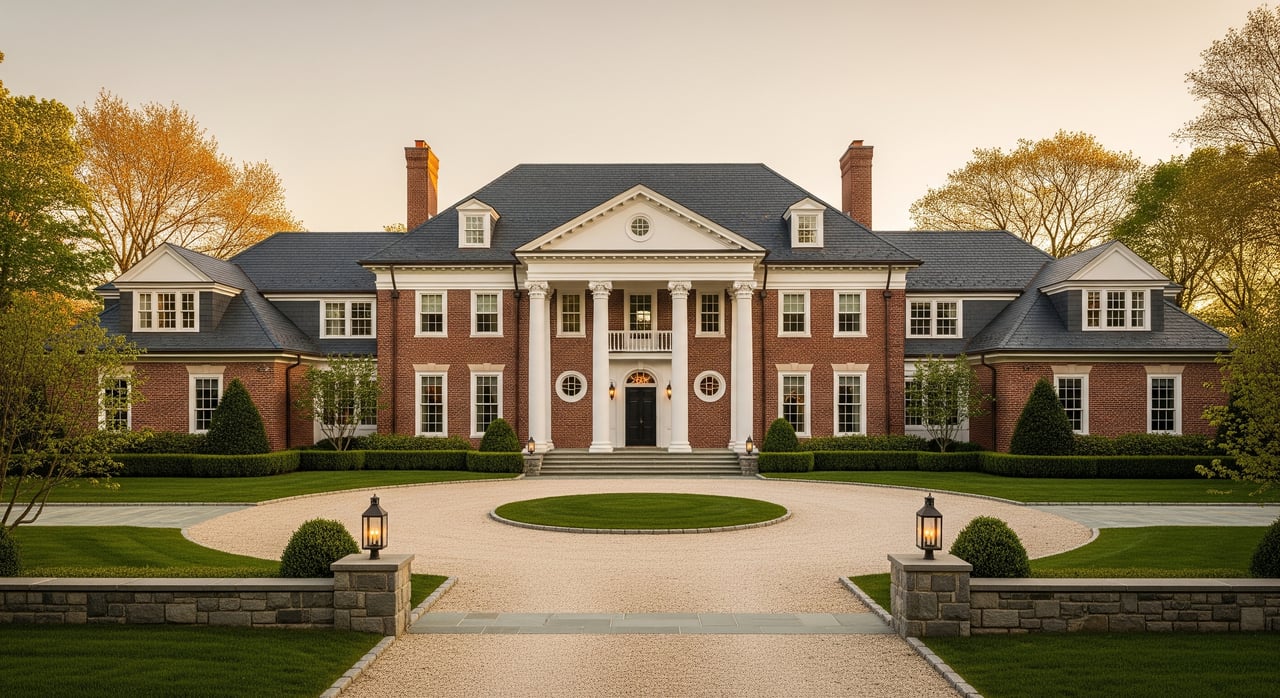
What is your home in Laurel Hollow really worth today? When you are buying or selling an estate or high‑end property, that number can feel both critical and confusing. You want a clear, fair opinion backed by data and local experience. In this guide, you will learn how residential appraisals work, which methods appraisers use for luxury homes, and the Laurel Hollow factors that can move value up or down. Let’s dive in.
An appraisal is an independent, professional opinion of market value at a specific point in time. Lenders use it to confirm the property is adequate collateral for a mortgage. You may also need an appraisal for estate and gift reporting, divorce settlements, insurance planning, or a tax assessment appeal. The report explains the analysis, the data considered, and the final value conclusion.
Appraisers follow the Uniform Standards of Professional Appraisal Practice, often called USPAP. These ethics and methods help ensure impartiality and clear documentation. For luxury and unique properties, the same standards apply, but the analysis can be more complex.
For a mortgage, your lender usually orders the appraisal through an appraisal management company. You do not select the appraiser in that situation. For non‑lending work, such as estate or pre‑listing, you can hire a state‑licensed or certified appraiser directly.
The appraiser must be competent for the assignment. That means having experience with the local market and with the property type. In Laurel Hollow, where large lots and custom estates are common, experience with luxury North Shore homes is important.
Here is what typically happens from start to finish:
Appraisers may use one or more of these approaches and then reconcile to a final value.
This is the primary method for most single‑family homes. The appraiser selects recent closed sales of similar properties and adjusts for differences like date, location, size, condition, and amenities. In Laurel Hollow, comparable sales for unique estates may be limited, so appraisers often widen the search area and time frame to include nearby North Shore villages and earlier sales. When the comps are less similar, adjustments must be explained clearly.
This approach estimates the land value, adds the current replacement cost of the home and improvements, then subtracts depreciation. It is helpful when homes are new, custom, or when comps are scarce. It has limits, since it may not capture how buyers price unique architectural character or land premiums.
If a property produces income, such as a rentable guest house or accessory unit, an appraiser can analyze that income to help estimate value. This is usually a secondary check for high‑value or hybrid properties, not the primary method for typical owner‑occupied homes.
The appraiser weighs the results from the applicable approaches and explains which one carried the most weight. For luxury properties with few good comps, the appraiser may rely more on the cost approach as a cross‑check and provide deeper commentary on market rationale.
Laurel Hollow sits on Long Island’s North Shore and includes large parcels, mature woodland, and access to the Sound. Several local dynamics often affect appraisals.
High‑end estates sell less frequently, so there are fewer recent closed sales to compare. Appraisers may expand the search to similar North Shore villages and accept older sales if they are still meaningful. This can increase the size of adjustments and the need for clear market support.
Acreage, wooded privacy, and scenic views can support premiums. The value per acre often changes as lots get larger. In exclusive areas, a meaningful per‑acre premium can persist. The site’s topography, exposure, and potential for outdoor living space matter too.
Many Laurel Hollow homes are older with custom finishes. Permitted updates, modern systems, and documented renovations improve marketability. Unpermitted work or deferred maintenance can reduce an appraised value or trigger a cost‑to‑cure adjustment in the analysis.
Septic systems, private wells, and easements can affect comparability and site value. Flood zones, wetlands, or steep slopes may limit use, impact insurance or approvals, and lead to adjustments in the appraisal.
Nassau County property taxes and school levies are significant compared to many regions. While assessed value is not market value, recurring tax costs can affect buyer demand and marketing time. Appraisers may reference assessed values as supplemental data but do not equate them to market value.
Minimum lot sizes, conservation or woodland easements, and development restrictions can shape highest and best use. On larger parcels, potential subdivision or conservation value may influence the outcome.
North Shore activity often surges in spring. Higher interest rates can reduce the buyer pool for upper price ranges, which may lead to time adjustments for older comps.
You set yourself up for success when you help the appraiser see the full picture. Consider these steps:
Plan for the appraisal as part of your offer and financing strategy.
It happens, especially with unique estates and scarce comps. Here are common paths forward:
A little preparation can make the inspection smoother and the analysis clearer.
A well‑supported appraisal brings clarity to complex properties. In Laurel Hollow, luxury estates and large parcels call for careful comp selection, thoughtful adjustments, and strong documentation. When you prepare the right materials and set realistic expectations, you reduce surprises and keep your sale or purchase on track.
If you would like local guidance tailored to your property, connect with Lauryn Koke for a boutique, confidential consultation backed by elite marketing and North Shore expertise.
Stay up to date on the latest real estate trends.
Get assistance in determining current property value, crafting a competitive offer, writing and negotiating a contract, and much more. Contact me today.