Cold Spring Harbor Living: A Guide to Daily Life
February 5, 2026
February 5, 2026
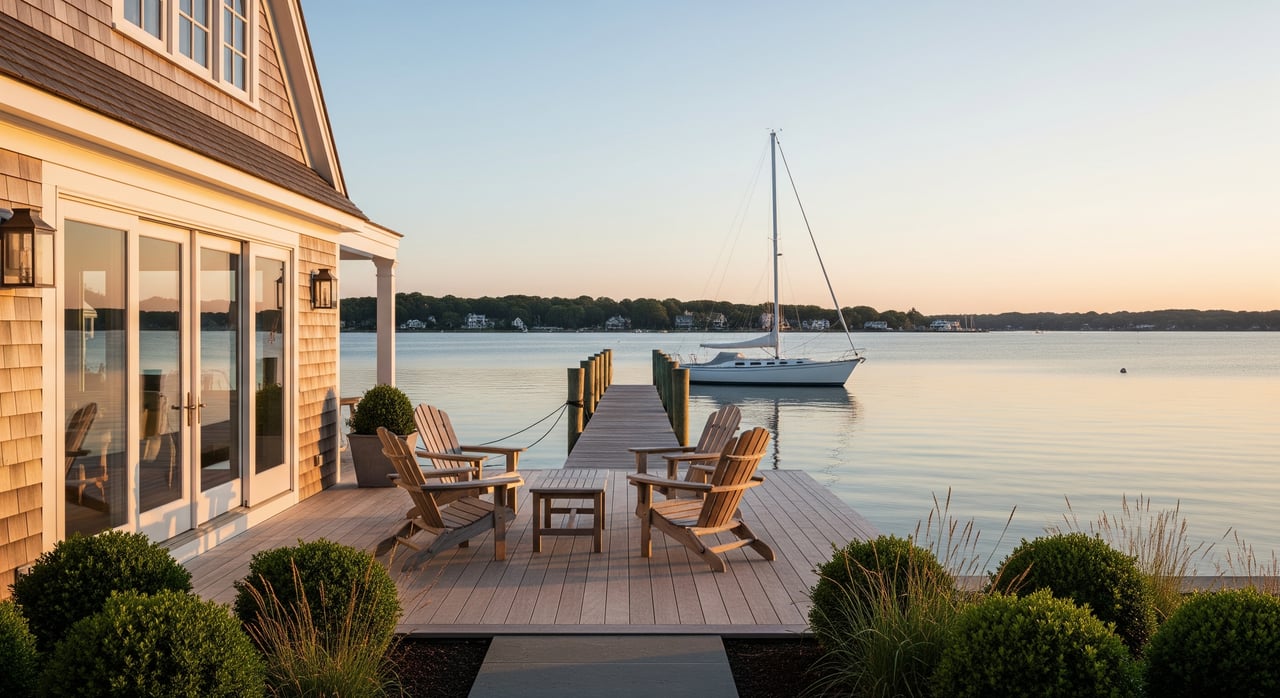
Picture this: you sip your morning coffee while the harbor shifts from soft gray to gold, kayakers glide by, and the village wakes up one shop at a time. If you are curious about making that scene your daily routine, Cold Spring Harbor offers a rare mix of waterfront calm, village convenience, and North Shore access. In this guide, you will get a clear view of everyday life, housing options, commutes, and the practical steps to buy with confidence. Let’s dive in.
Cold Spring Harbor sits on the North Shore of Long Island within the Town of Huntington. The community hugs a sheltered tidal harbor that shapes the local rhythm and views. You are near neighboring centers like Huntington Village, Lloyd Harbor, and the Oyster Bay area, which expands your dining, shopping, and cultural options.
Most of the area is residential, with a compact village core that is walkable for errands, a coffee, or dinner. Outside the village, you will find tree-lined roads, larger lots, and a tranquil, coastal feel.
A small village center covers daily needs with independent shops, cafés, and services. You can pick up baked goods, order takeout, or meet a friend without getting in the car. For a broader selection of supermarkets, specialty stores, and entertainment, many residents drive a short distance to nearby commercial hubs in Huntington.
The harbor is your daily backdrop. Boating, paddleboarding, kayaking, and shoreline walks are popular in fair weather. Local marinas and private facilities serve boat owners, and you will find scenic spots for sunsets and birdwatching. Nearby town and county parks add trails and open space, and smaller neighborhood parks create simple play and picnic options.
Cold Spring Harbor has a strong cultural thread. You will see lectures, outreach, and periodic community events tied to the internationally known Cold Spring Harbor Laboratory. Maritime history is front and center at the Cold Spring Harbor Whaling Museum, which offers exhibits and seasonal programs. The village calendar often features intimate events that fit the small-scale, coastal setting.
Public schools in the Cold Spring Harbor Central School District are a major draw for many buyers. To understand current performance and programs, review the district’s website and New York State report cards. It also helps to confirm school boundaries because attendance zones can affect which school a home feeds into. Start your research with the Cold Spring Harbor Central School District and the state’s education data portal.
After-school sports, arts, and enrichment often run through schools and local organizations, with additional recreation in nearby parks and waterfront programs.
Primary and urgent care are available across the broader Huntington and Smithtown area, and major hospitals serving the North Shore are a moderate drive away. Many residents keep a regular care team spread across nearby towns.
The village core is walkable, though most errands outside that area require a car. You can bike on quieter streets, but marked bike lanes are limited. Parking is generally manageable, with occasional crunch times during events or popular waterfront hours.
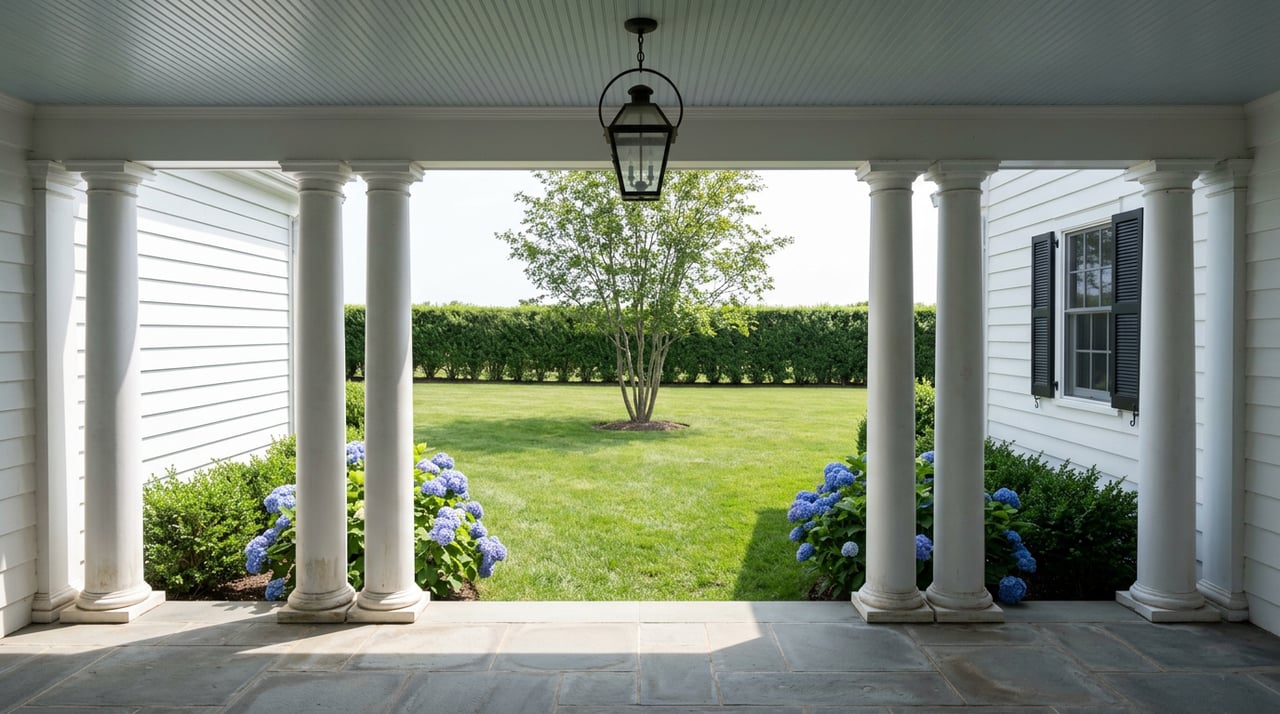
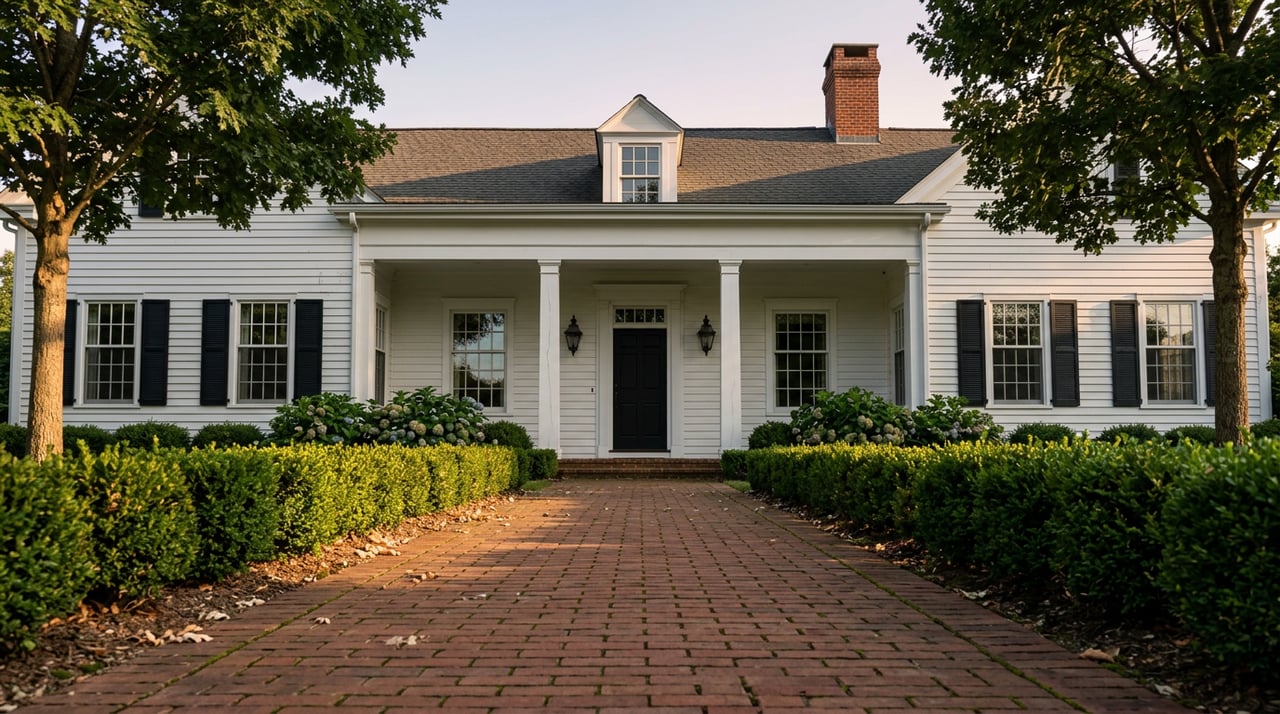
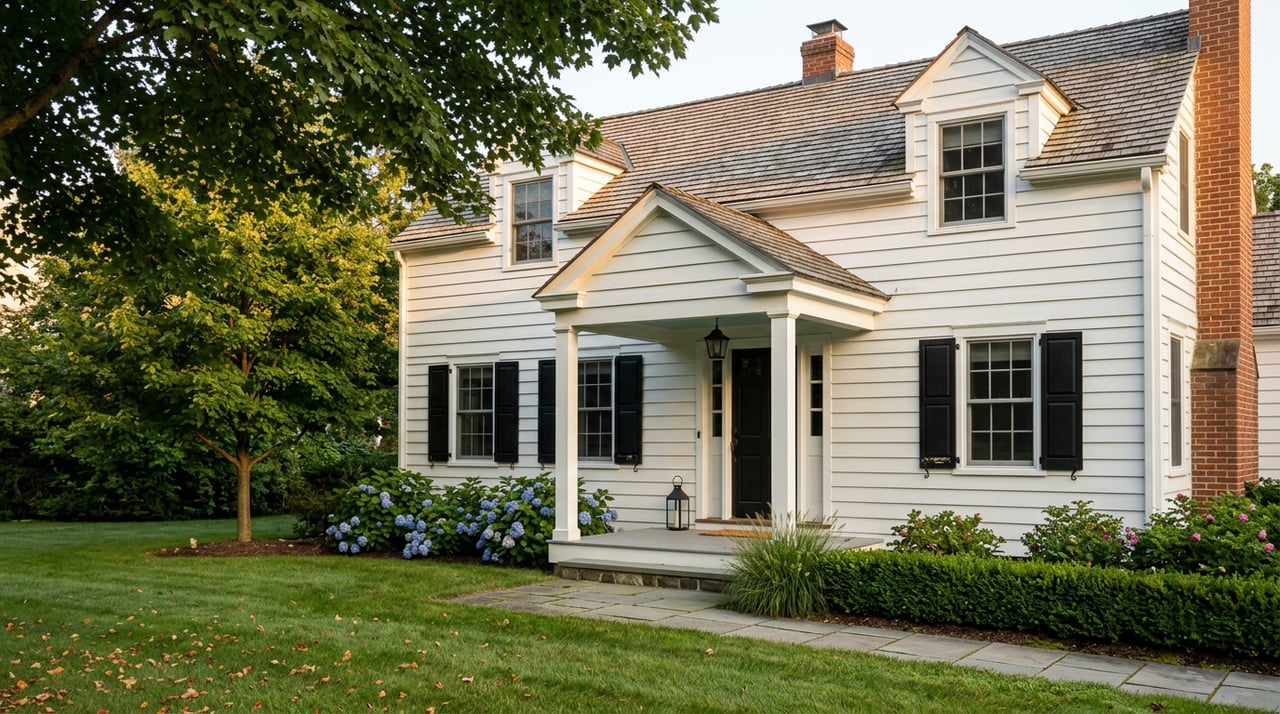
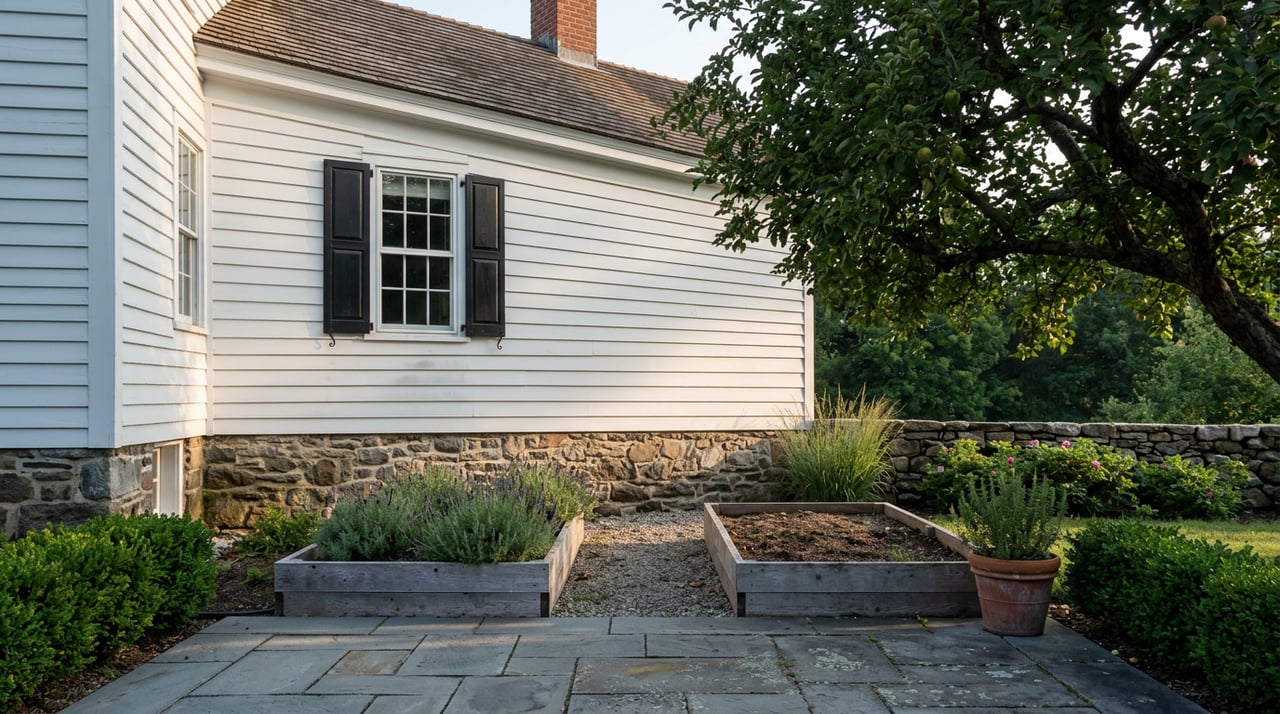
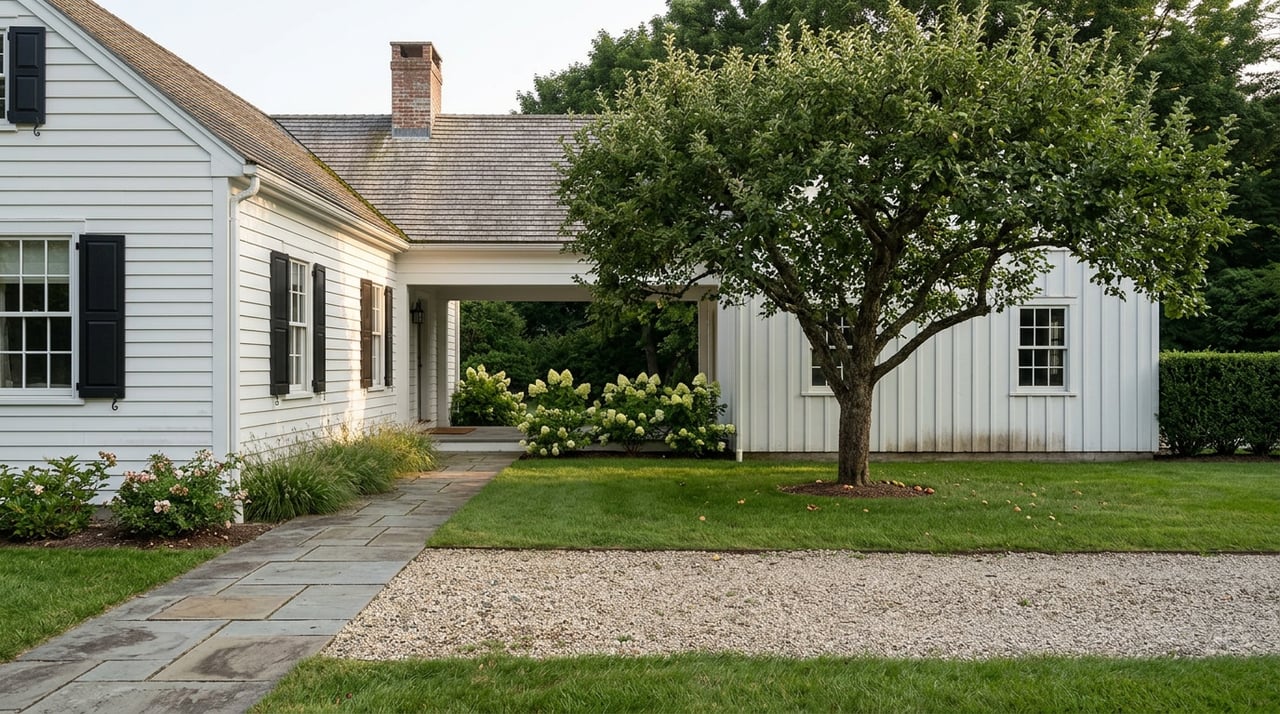
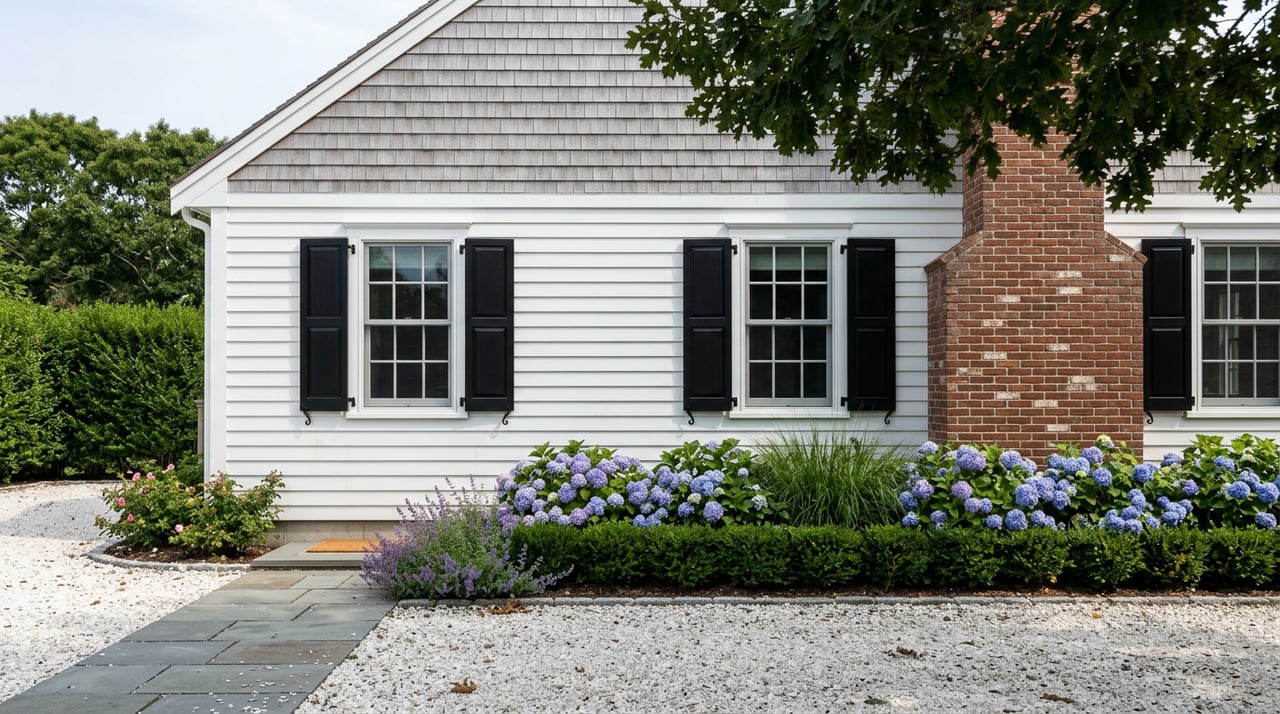
Single-family homes dominate. You will see a mix of historic village houses from the early 20th century, mid-century ranches and colonials, and newer custom builds on larger parcels. Lot sizes range from village-scale to estate-size, so you can find both cozy, walk-to-town blocks and quiet, wooded settings.
Condos and townhomes exist in smaller numbers relative to single-family inventory. Architectural variety is part of the local charm, and it gives the area a polished, individualized look.
Harbor-front properties form a distinct segment. These homes often carry premium pricing, unique maintenance needs, and, in some cases, private docks or moorings. Shoreline rules and permits also come into play, so you will want clarity on bulkheads, setbacks, and any wetlands or conservation overlays. The Town of Huntington and the New York State Department of Environmental Conservation are key references for coastal and wetlands guidance.
Flood risk varies by exact location and elevation. Before you make an offer on a home near the water or in low-lying areas, check the FEMA Flood Map Service Center and speak with an insurance professional about flood insurance costs and requirements.
You will meet people who prioritize North Shore living with access to culture, outdoor recreation, and a workable commute. Many buyers value the local school district, a sense of privacy, and the maritime setting. There is also a niche for second-home or waterfront buyers who want a harbor lifestyle within reach of New York City.
Residents typically drive to a nearby Long Island Rail Road station on the Port Jefferson Branch or other North Shore lines, then commute into Manhattan. The station you choose depends on your address and schedule. Check routes and timetables on the MTA Long Island Rail Road site to gauge typical peak travel times.
Daily life is car forward beyond the village. Northern State Parkway and the Long Island Expressway are the main east-west arteries for regional trips, and local roads connect you to Huntington, Lloyd Harbor, and the Nassau County line. Drive times vary by time of day, school traffic, and season.
Buying near the harbor adds a few extra layers of diligence. Use this list to focus your search and protect your investment:
To land the right home, align three things: lifestyle, budget, and property specifics. Start with how you want to live day to day. Do you prioritize being walkable to the village, or do you want a larger, more private lot? Next, set a clear budget that accounts for taxes and any potential flood insurance. Finally, match the property to your needs, including lot size, renovation plans, and waterfront features.
If you are considering a waterfront or near-shore property, build in time for due diligence. That includes reviewing permits, confirming flood status, and lining up specialized inspections. A steady, detail-oriented process helps you move quickly when the right home appears.
Ready to explore Cold Spring Harbor with a local advocate who understands waterfront, village, and estate sales across the North Shore? Connect with Lauryn Koke for tailored guidance, strategic valuation, and white-glove representation. Request a complimentary, confidential home valuation to plan your next step.
Stay up to date on the latest real estate trends.

Get assistance in determining current property value, crafting a competitive offer, writing and negotiating a contract, and much more. Contact me today.