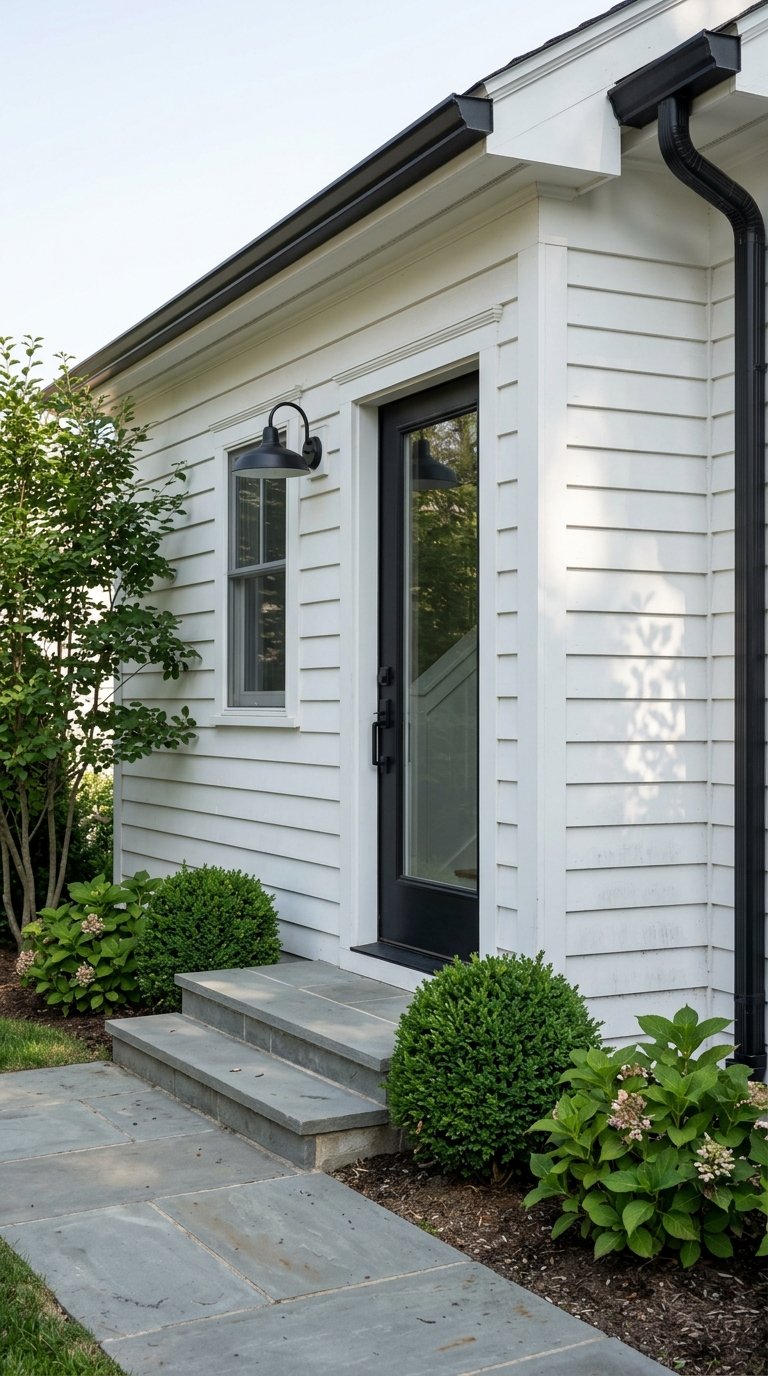
Greenport Investment Property Guide to Rentals & Returns
April 16, 2026
April 16, 2026
If you are thinking about buying an investment property in Greenport, the first question is not just “How much rent can it make?” It is “What type of rental is actually allowed?” In a small, high-demand market like Greenport, rules, seasonality, and property setup can shape your returns as much as the purchase price. This guide walks you through the basics so you can evaluate opportunities with more clarity and confidence. Let’s dive in.
Greenport has broad appeal as a North Fork destination, with waterfront attractions, wineries, beaches, and seasonal events that bring visitors throughout the year. The village’s own travel guidance highlights spring blossoms, summer beach days, fall foliage, and winter festivities, while also noting that visitors should book early during peak periods on Greenport’s official planning page.
That said, summer still appears to be the main revenue engine for many short-term rentals. A 2025 public market article citing AirDNA data framed Greenport’s rental economics around the Memorial Day to Labor Day window, which suggests that investors should expect a meaningful share of annual income to be concentrated in peak season.
Public short-term rental supply is active but not oversized. AirDNA’s Greenport market overview lists 267 vacation rentals, with 89% of them as entire homes. The same dataset shows a strong share of two- and three-bedroom listings, which points to demand for privacy and family-sized accommodations.
Before you run any income projections, make sure you understand where the property sits and which rules apply. That matters because Village of Greenport regulations are not the same as rules elsewhere in Southold Town.
For properties inside the Village of Greenport, the village states that any residential rental requires a permit. Rentals of fewer than 30 days require a short-term rental permit, according to the village’s Residential Rental Permit FAQ.
The village currently recognizes three short-term permit categories:
These categories matter because they limit how some buyers can use a property. If your goal is a fully independent, non-owner-occupied short-term rental, not every home will qualify.
Eligibility is narrow. The village says STR permits cannot be issued for accessory buildings, employee housing, multifamily buildings, or properties in commercial zoning districts. It also says only single-family or two-family homes can obtain STR permits, only one STR permit is allowed per property, and no person may hold more than one STR permit in the village.
For many buyers, this is the single biggest underwriting issue. A beautiful property may still be a poor investment fit if its zoning, layout, or ownership structure does not line up with the permit rules.
Even if a home is permit-eligible, the operating rules can affect revenue. Greenport limits occupancy to six adults and eight total persons per STR unit, and dormitory-style sleeping is not allowed. Overnight vehicles are limited to one per bedroom, and parking on lawns or public or private streets is prohibited, as outlined in the village’s rental permit FAQ.
These details matter because many older village homes have limited off-street parking. If a property cannot comfortably support the required parking setup, your rental strategy may need to change.
The village also requires listings to include the permit registration number. Hosted STR listings must disclose that an owner or resident tenant will be present. On top of that, the village requires general liability insurance of at least $500,000 per occurrence and $2 million aggregate.
A common mistake is assuming a seller’s permit carries over to the buyer. It does not. The village says permits are not transferable to a new owner.
After closing, a buyer must apply within 30 days of purchase, though rentals may continue for up to 75 days while approval is pending. If you operate without a permit, the penalties can be significant. The village states that violations can trigger fines from $500 to $5,000 per violation, possible permit revocation, and disqualification from a new permit for up to three years. Each day of unpermitted rental counts as a separate violation.
Greenport is often described as a year-round destination, and there is evidence to support demand beyond summer. The village promotes travel in every season, including fall and winter experiences on its official visitor page.
Still, the market appears clearly seasonal. According to a 2025 article citing AirDNA, Greenport’s average daily rent during summer 2024 was $582, and the same source estimated roughly $57,018 in revenue over a 14-week Memorial Day to Labor Day peak season. That article also projected a 2025 peak average daily rate of $684, implying about $67,104 over the same 14-week period, based on publicly reported Greenport rental data.
AirDNA’s Greenport overview also lists a 45% occupancy rate and a seasonality score of 71. For you as a buyer, that suggests a market where calendar strategy, pricing, and owner-use planning matter more than they would in a steadier year-round rental market.
In practical terms, you should expect:
If you are buying a second home, this may still work well. Peak-season income can help offset ownership costs while leaving room for personal use during quieter periods.
When buyers ask about cap rates in Greenport, the safest answer is to start with gross revenue guides, not true net cap rates. Public net operating income data are not available, and actual performance can vary widely depending on permit type, expenses, and the property itself.
Realtor.com reports a median home sale price around $1.445 million in Greenport, along with a median rent around $10,600 per month on its Greenport market overview. Using that sale-price benchmark, the publicly cited 14-week peak-season revenue estimate of $57,018 equals about 3.95% of the median home price. The projected $67,104 figure equals about 4.64%.
Those numbers can be useful as a rough seasonal gross-yield reference. They are not net returns, because they do not subtract vacancy outside peak season, management, cleaning, insurance, taxes, utilities, repairs, or permit-related costs.
Long-term rent figures can imply a higher top-line gross yield on paper. Annualizing the reported $10,600 monthly median rent produces about 8.80% gross yield against a $1.445 million purchase price. But that does not mean every home can achieve it, or that long-term leasing is automatically the better strategy.
Here is a practical snapshot:
| Strategy | What public data suggests |
|---|---|
| Seasonal short-term rental | Mid-single-digit gross-yield potential from peak season alone |
| Long-term rental | Potentially higher gross yield on paper, depending on the property and actual rent level |
The key takeaway is simple: the best strategy depends on legal use, property setup, and how you plan to use the home yourself.
Rental income is only part of the story. Tax compliance can meaningfully affect your net results.
New York State guidance for short-term rentals says operators generally must register as sales tax vendors and collect state and local sales tax unless an exception applies or a booking service collects on their behalf. Suffolk County also imposes a 5.5% hotel and motel occupancy tax on short-term lodging under 30 days, and the county filing guide notes that Airbnb and VRBO already collect and remit that tax for bookings made on their platforms, while direct bookings and some other channels still require reporting.
When you evaluate a property, budget for more than mortgage and maintenance. Insurance, permit administration, tax compliance, utilities, cleaning, repairs, and vacancy can all reduce the spread between headline revenue and actual return.
If you are serious about a Greenport investment purchase, slow down and confirm the basics before you commit. A quick pre-offer review can save you from expensive assumptions later.
This is especially important in Greenport because local regulation and physical property constraints can matter just as much as demand.
Greenport can be an appealing market for second-home buyers and investors who want exposure to North Fork tourism and seasonal rental demand. The opportunity is real, but it is not plug-and-play. In this market, the winners tend to be buyers who understand permit eligibility, plan around seasonality, and choose properties that fit the rules from day one.
If you are considering a Greenport purchase and want a clear, property-specific perspective before you make a move, Lauryn Koke can help you evaluate the opportunity with the detail, discretion, and local guidance that a nuanced market like this requires.
Stay up to date on the latest real estate trends.




Get assistance in determining current property value, crafting a competitive offer, writing and negotiating a contract, and much more. Contact me today.