Laurel Hollow Luxury Homes: A Smart Buyer’s Guide
May 21, 2026
May 21, 2026
If you are thinking about buying in Laurel Hollow, you are not shopping a typical Long Island neighborhood. You are entering a small, estate-driven village where privacy, land, and lifestyle matter, but so do zoning rules, permits, and taxes. The good news is that when you understand those details upfront, you can buy with far more confidence and avoid expensive surprises. Let’s dive in.
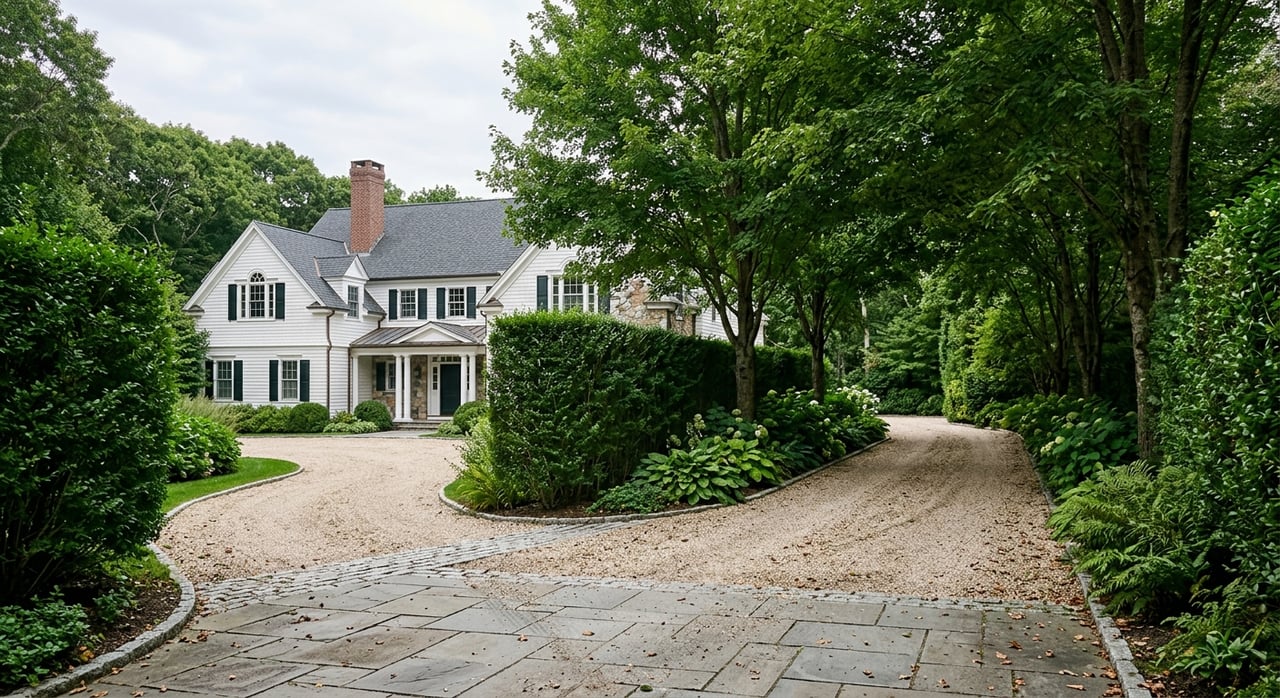
Laurel Hollow is a small incorporated village on Long Island’s North Shore with a distinctly low-density, estate-oriented character. Current inventory is limited, and available homes tend to sit on large parcels with custom features rather than in a standard subdivision layout.
As of May 17, 2026, online inventory was thin, with Zillow showing 8 Laurel Hollow results and Redfin showing 11 homes. Listings in that mix included properties such as 1 Springwood Path at $3.9 million on 2 acres and 7,462 square feet, 1550 Laurel Hollow Road at $2.595 million on 2.04 acres and 4,610 square feet, and 80 Tall Oak Cres at $2.89 million on 2.02 acres and 5,541 square feet. That snapshot reinforces what many buyers notice right away: Laurel Hollow operates more like a discreet luxury estate market than a conventional suburban one.
One of the first things luxury buyers should know is that the mailing city does not always tell the full story. In this part of the North Shore, MLS and search sites may show Laurel Hollow, Syosset, or both on otherwise comparable properties.
Even the village hall uses a Syosset mailing address. That means you should not rely on a postal label alone when evaluating location, village jurisdiction, or school assignment. Instead, confirm the parcel, tax map, and district details before you move forward.
In Laurel Hollow, the lot is often as important as the residence itself. If you are buying for privacy, future expansion, a pool upgrade, or long-term estate value, the village code deserves close attention.
The Residence District is intentionally restrictive. A conforming lot must have at least 2 acres, at least 150 feet of frontage, and a naturally existing minimum contiguous buildable area of at least 15,000 square feet with a minimum dimension of 80 feet.
The code also limits how much of the lot can be covered. Principal-building coverage is capped at 6% of lot area, accessory buildings at 10%, and total surface coverage at 20%.
This is one of the biggest points buyers miss. A two-acre parcel may sound straightforward, but the actual buildable area can be much smaller depending on the site.
The village excludes wetlands, water bodies, watercourses, buffer areas, steep slopes, greenbelt areas, and required yard setbacks from the buildable-area calculation. In practical terms, two properties with the same lot size can offer very different opportunities for expansion, outdoor living, or redevelopment.
If you are thinking beyond the existing home, expect a permit-driven process. The Planning Board handles matters including tree removal, subdivision, partitioning, and some slope applications.
That means teardown plans, major additions, lot changes, or substantial site work should be reviewed early in your due diligence. In a market like Laurel Hollow, your long-term vision for the property needs to match the village’s approval framework.
For many buyers, part of Laurel Hollow’s appeal is the North Shore lifestyle. Beach access, boating, privacy, and proximity to private clubs all shape the market here, but these benefits come with rules.
Laurel Hollow Beach is village-licensed and located on Town of Oyster Bay-owned land. It is open from Memorial Day through Labor Day, from 10 a.m. to 6 p.m., when lifeguards are on duty.
Parking, dinghy and kayak storage, and mooring all require permits. The village states there is no direct payment for mooring itself, but residents must work through an approved mooring contractor.
If a waterfront parcel seems like a natural fit for a dock or other shoreline improvements, do not assume the path is simple. Laurel Hollow tightly regulates waterfront structures.
No dock, wharf, bulkhead, or similar waterfront structure may be built without a village building permit. Depending on the work, approvals may also be needed from New York State and other agencies with jurisdiction.
The code also limits dock placement, width, and purpose to recreational, noncommercial use. For luxury buyers, that means a waterfront property’s value is tied not just to what exists today, but also to what can realistically be approved later.
Many estate buyers want to improve privacy after closing, whether through fencing, walls, landscaping, or pool design. In Laurel Hollow, those features are possible, but they are not unlimited.
In the Residence District, fences and walls over 6.5 feet are prohibited. Retaining walls require permits, and pool enclosures are subject to setback, gate, and screening rules.
The village also requires building permits for real estate signs and swimming pools. If your purchase decision depends on adding or changing privacy features, it is smart to review those rules before you close rather than after.
In Laurel Hollow, taxes are a major part of the total cost of ownership. The purchase price may get the attention, but your ongoing annual tax burden can have just as much impact on affordability.
Nassau County’s tax structure includes county, town, village, school district, library district, and special district layers. For many properties, school taxes and village taxes are billed separately from county, town, and special district taxes.
That is why buyers should request the full tax picture early. It is not enough to glance at a listing figure and assume you understand the carrying cost.
Current listings offer a useful reference point. Zillow showed 1 Springwood Path with annual taxes of $43,151 on a $3.9 million home, and 1550 Laurel Hollow Road with annual taxes of $33,280 on a $2.595 million home.
Those are only examples, not a rule for every property. Still, they are a strong reminder to verify the full bill, check for exemptions, and model escrow before you commit.
For primary-residence buyers, New York’s STAR program may offer some school-tax relief. However, STAR applies only to school taxes, not to county, town, or village taxes.
For Nassau County, the state’s 2025 to 2026 STAR page lists Cold Spring Harbor Class 1 Enhanced and Basic exemption amounts of $140 and $50, respectively. In a high-tax luxury village, that benefit may help at the margin, but it usually does not change the overall cost structure in a meaningful way.
The village’s school district page states that the Cold Spring Harbor Central School District serves Laurel Hollow and Lloyd Harbor. Still, buyers should verify the exact parcel assignment rather than assume the district based on a listing or mailing address.
That extra step matters because district labels and postal labels do not always align neatly in this area. If school assignment is part of your purchase criteria, confirm it directly as part of your property review.
In a market this specialized, small assumptions can become costly. A careful approach can save you time, money, and frustration.
A large lot does not automatically mean broad building freedom. Buildable-area rules, frontage requirements, setbacks, slopes, and environmental constraints can all narrow what is actually possible.
A property may be labeled Laurel Hollow, Syosset, or both online. That field is not a substitute for confirming village jurisdiction, tax mapping, and district assignment.
Pools, fences, retaining walls, grading work, tree removal, docks, piers, and bulkheads can all trigger review. On higher-value properties, that approval path is part of the asset, not an afterthought.
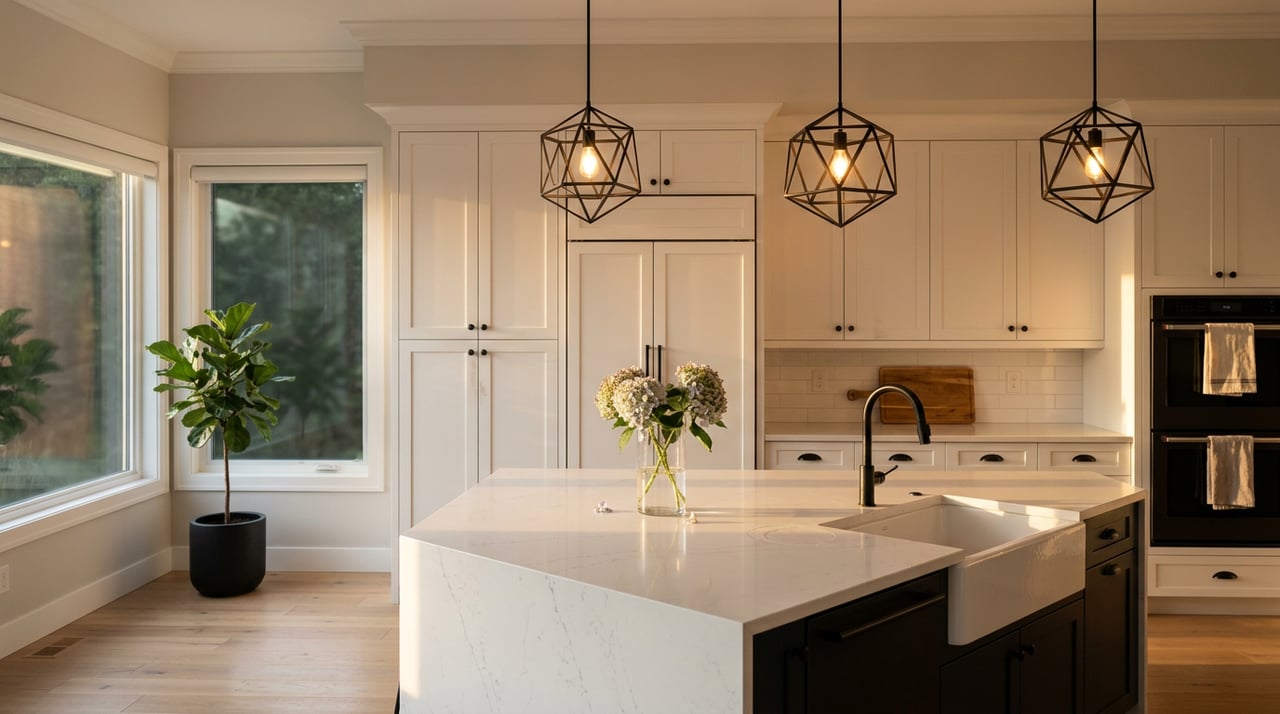
This market is more individualized. Homes often include long driveways, guest structures, garages, pools, security systems, solar features, and other custom elements, which means your due diligence should be equally tailored.
If you are serious about buying in Laurel Hollow, a disciplined review process can help you move with clarity. In a low-inventory luxury market, that preparation also makes it easier to act decisively when the right property appears.
Here is a practical checklist to keep in mind:
Laurel Hollow rewards buyers who look past the surface. A beautiful house and two-acre lot may still require deeper review around usability, tax exposure, waterfront regulations, or future improvement potential.
That is why local market knowledge matters so much here. When you understand how village rules, North Shore parcel patterns, and luxury property due diligence intersect, you can protect both your lifestyle goals and your investment.
If you are considering a purchase in Laurel Hollow or comparing North Shore estate options, Lauryn Koke offers the kind of local insight, white-glove guidance, and detail-focused representation that luxury buyers value.
Stay up to date on the latest real estate trends.
Get assistance in determining current property value, crafting a competitive offer, writing and negotiating a contract, and much more. Contact me today.