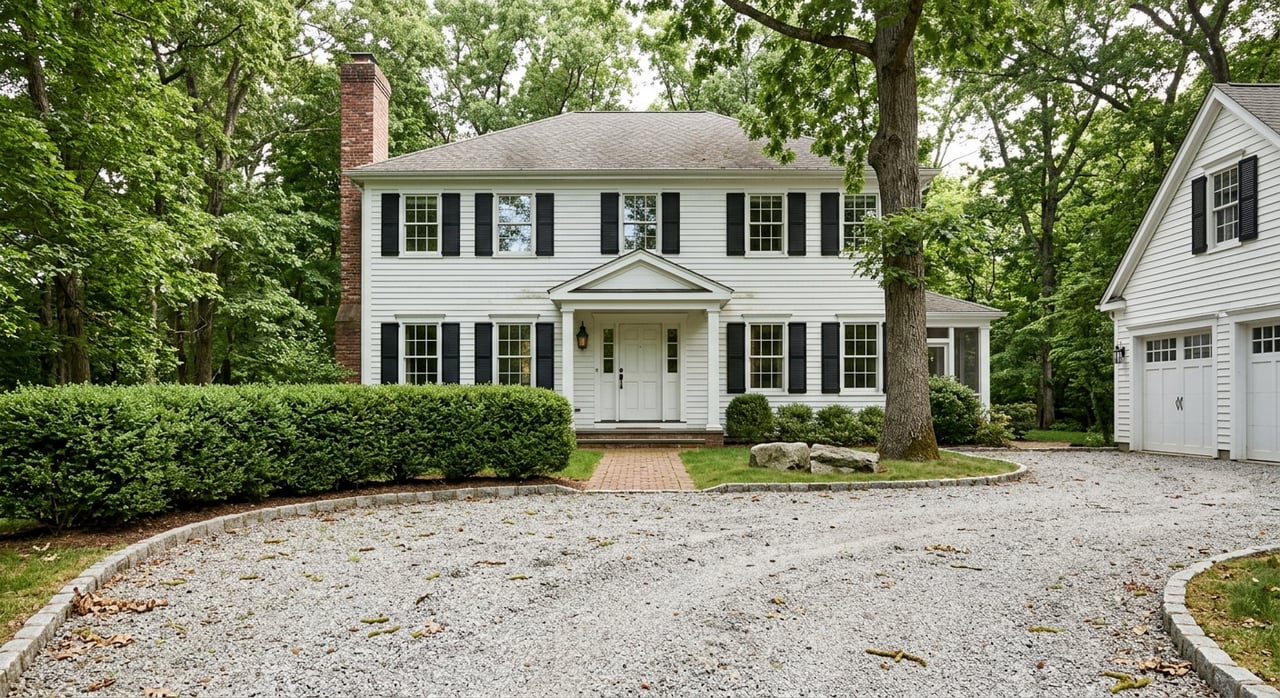
Laurel Hollow Estate Living: What It’s Really Like
July 9, 2026
July 9, 2026
If you picture estate living as more than just a larger house, Laurel Hollow makes that idea easier to understand. This is a place where land, privacy, and a quiet North Shore setting shape everyday life in ways that feel distinct from a typical suburban neighborhood. If you are considering a move here, it helps to know not just what the homes look like, but what living here actually feels like. Let’s dive in.
Laurel Hollow is a small incorporated village on Long Island’s North Shore in Nassau County. According to the village’s 2025 stormwater report, it covers about 3.16 square miles, includes more than 10,000 feet of shoreline on Cold Spring Harbor, and has about 1,940 residents and roughly 600 single-family homes.
That scale matters. With a relatively small population and a housing pattern built around detached homes, Laurel Hollow feels quiet, spacious, and intentionally low density. It does not read like a busy suburb with constant turnover, and Census Reporter estimates only 4.9% of residents moved in the prior year.
One of the clearest reasons Laurel Hollow feels estate-like is its zoning. The village is exclusively zoned for single-family residential use, and the minimum lot size is 2 acres throughout the entire village.
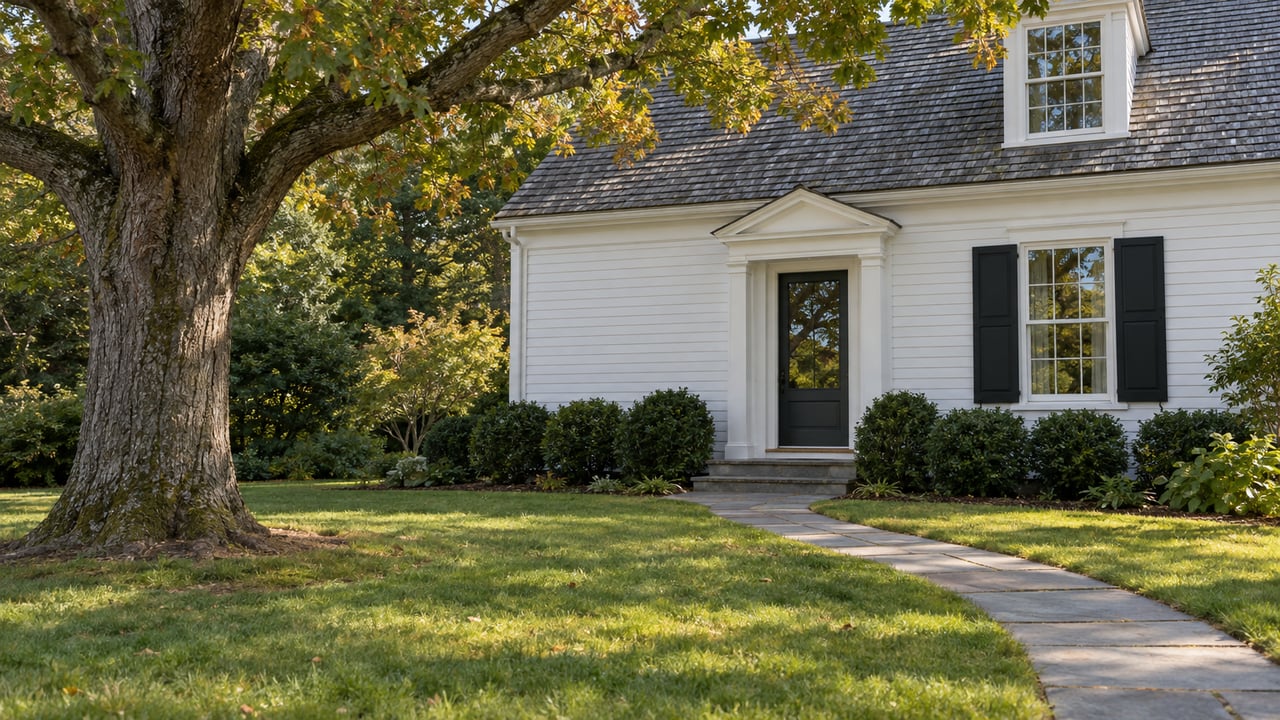
That single fact shapes the whole experience of living here. Homes sit on larger parcels, neighbors are generally set farther apart, and the landscape tends to feel wooded, open, and private rather than closely packed. If you value breathing room and a more tucked-away setting, Laurel Hollow offers that by design.
In many towns, privacy depends on finding the right block or backing up to open space. In Laurel Hollow, privacy is more fundamental to the village pattern itself.
Because homes are spread across large lots and the road network is less conventional, the area can feel more secluded than a standard subdivision. The village owns 12.7 centerline miles of roads, and many remaining roads are privately owned, which adds to the sense that this is a quiet enclave rather than a pass-through community.
Laurel Hollow’s topography adds another dimension to estate living. The village report notes that the land drops from roughly 250 feet above sea level down to the harbor edge, creating a setting with elevation changes, wooded areas, and shoreline character.
That variety gives the village a more textured feel than flatter suburban neighborhoods. Depending on the property, you may notice long drive approaches, mature trees, and a stronger sense of separation from the road. The result is a setting that often feels calm, protected, and distinctly North Shore.
If you expect a walkable downtown with cafes and storefronts, Laurel Hollow may feel different from what you picture. Community life here is shaped less by a commercial village center and more by schools, the library, local organizations, and the harbor.
The Cold Spring Harbor Central School District serves Laurel Hollow and surrounding communities, and the Cold Spring Harbor Library & Environmental Center serves more than 8,500 residents across Cold Spring Harbor, Laurel Hollow, and Lloyd Harbor with hundreds of events and programs each year. In practical terms, that means your routine may center more around school calendars, library programs, and community events than around retail foot traffic.
One part of Laurel Hollow living that stands out is the seasonal beach experience. Laurel Hollow Beach operates on a permit-based system, with the beach open from Memorial Day through Labor Day and permits required for beach parking, dinghy and kayak storage, and mooring.
That structure gives summer a more local and resident-oriented rhythm. Instead of feeling like a heavily public waterfront destination, the beach experience feels managed, familiar, and tied to village life. For buyers drawn to harbor access and summer routines, that can be a meaningful part of the appeal.
Even if you are not buying a waterfront property, the harbor still influences the feel of the village. Laurel Hollow’s shoreline on Cold Spring Harbor and its local beach and boating structure give the community a coastal identity that shows up in everyday life.
The village’s community oyster gardening program is another good example. Open to residents, families, and organizations, it reflects a hands-on, harbor-minded civic culture that connects people to the water in a practical and seasonal way.
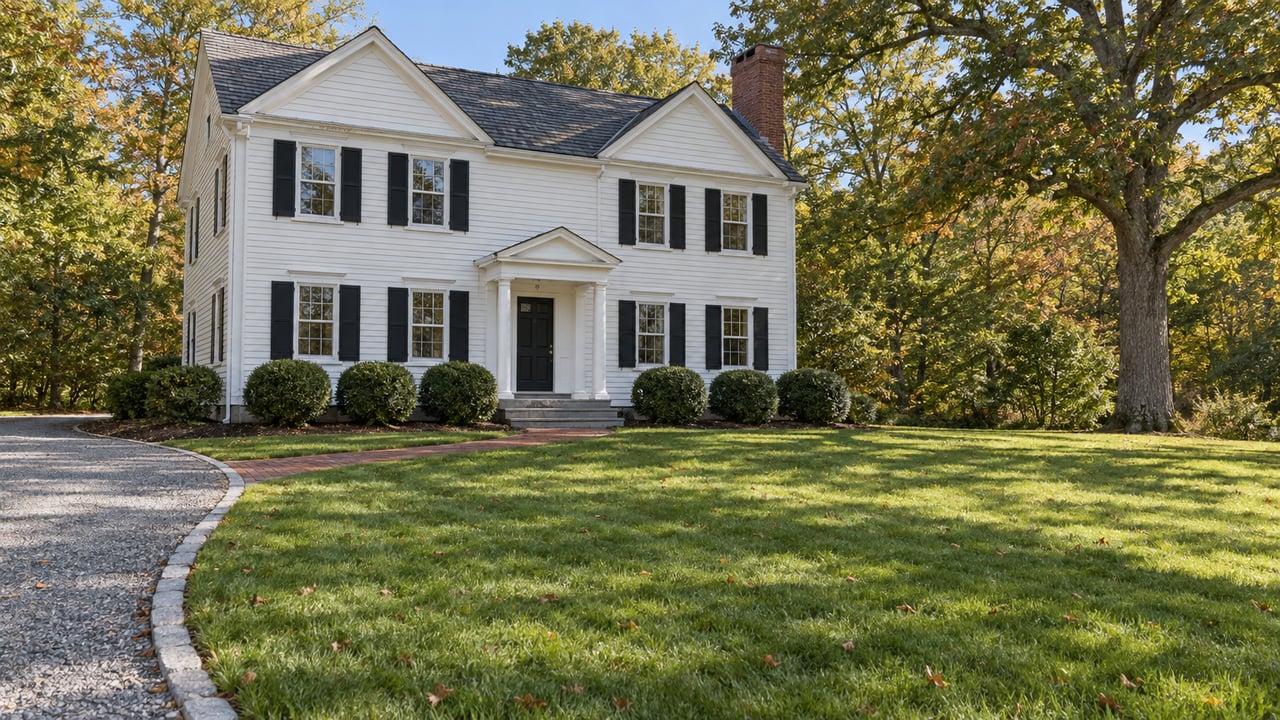
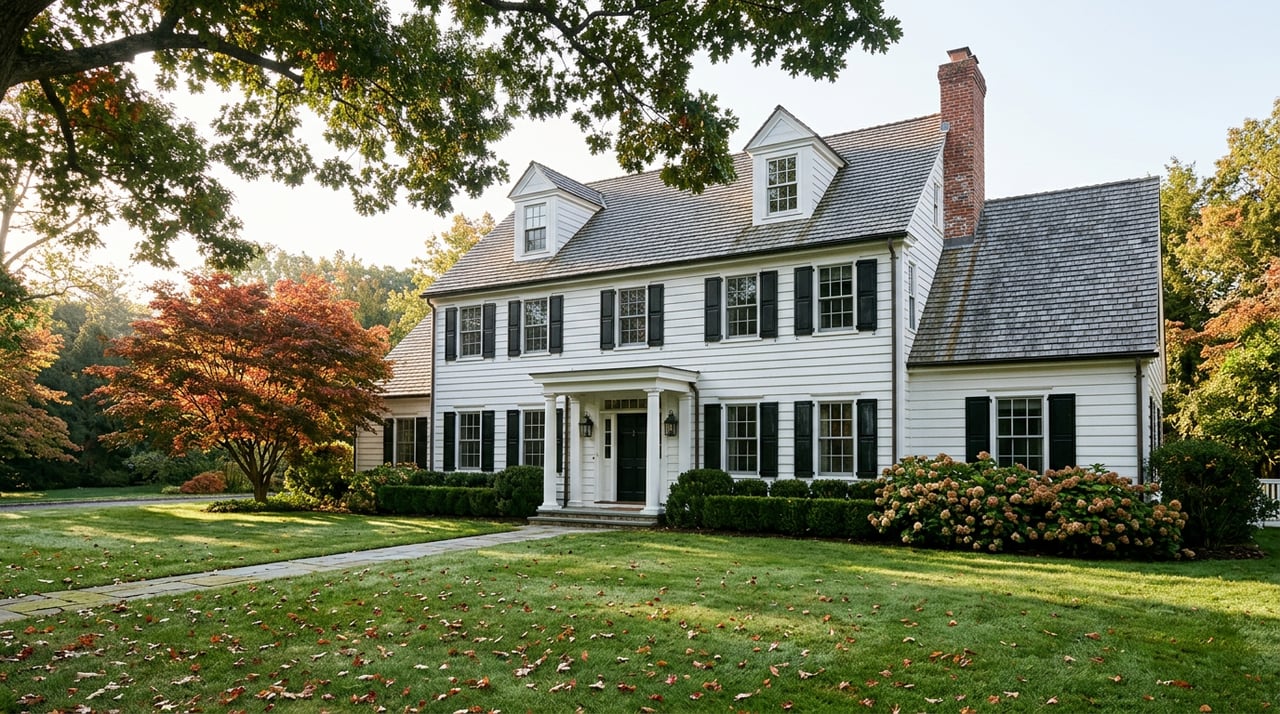
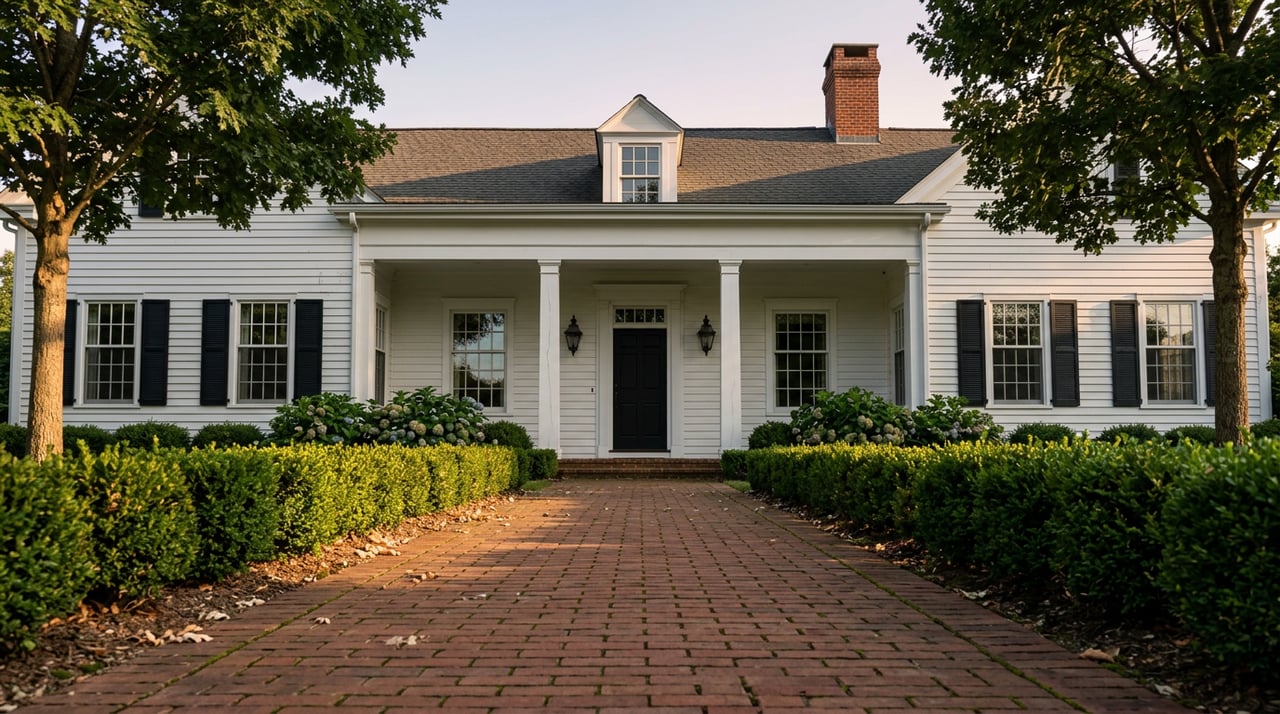
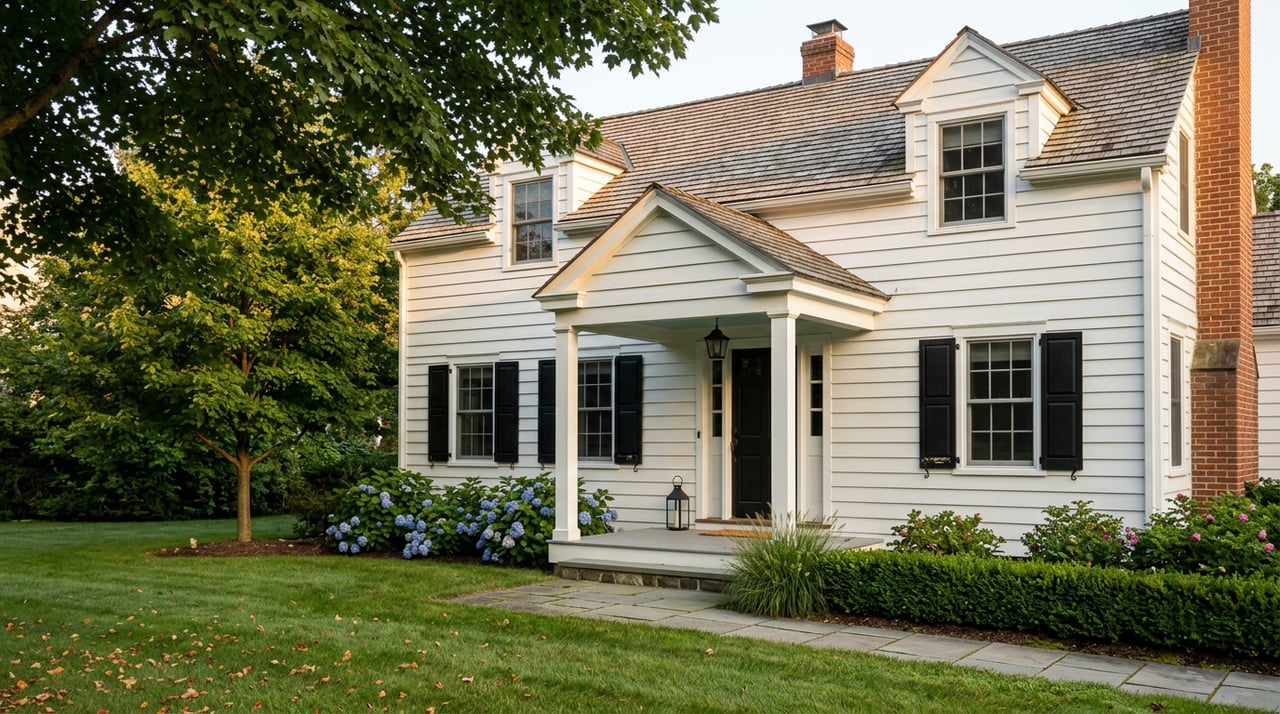
Laurel Hollow’s housing stock leans heavily toward large estates and custom homes rather than smaller subdivision-style houses. Recent listing examples in the market have included homes over 5,500 square feet, 6,000 square feet, and 7,400 square feet on 2-acre or larger lots.
That does not mean every property looks the same. It does mean buyers often encounter homes designed with scale, privacy, and site presence in mind. If you are comparing Laurel Hollow with more conventional North Shore neighborhoods, the sense of space is often one of the first differences you will notice.
Estate living comes with benefits, but it also comes with responsibility. In Laurel Hollow, large wooded parcels, private roads, tree-removal procedures, and building-permit oversight all point to a more active ownership experience than you might have in a typical suburban setting.
For many buyers, that trade-off is worth it. You gain privacy, land, and a more distinctive property setting, but you should also expect more involvement in landscaping, exterior upkeep, and site management. This is one reason it helps to view Laurel Hollow not just as a place to buy a house, but as a place to steward a property.
Laurel Hollow offers access to the broader region, but the day-to-day feel is still car dependent. Route 25A runs through the village, while Cove Road and Cold Spring Road serve as key north-south roads.
For rail commuters, the Port Jefferson Branch includes Cold Spring Harbor and Syosset, with westbound service to Penn Station, Grand Central, and Jamaica. At the same time, the Cold Spring Harbor station has no bus service, so the commute is often built around driving to the station rather than walking or using local transit.
Another part of Laurel Hollow’s character is how locally managed it feels. Village government handles matters such as zoning, planning, tree-removal procedures, and village-hall services at the village level.
That can make the community feel closely overseen and consistent in its low-density character. It also means property decisions may involve more local process than buyers expect in a more conventional suburb. For estate homeowners, that level of oversight often aligns with the village’s emphasis on stewardship and setting.
The practical side of estate living shows up in winter as well. The village highway department plows and salts village roadways, but not state highways, county roads, or private roads.
That means snow response can vary depending on where a home sits and what type of road serves it. It is a small detail, but it says a lot about the rhythm of living here. In Laurel Hollow, even road maintenance can feel more individualized and property-specific.
At its core, Laurel Hollow tends to feel quiet, private, and established. It is less about being in the middle of activity and more about having room around you, a strong connection to the harbor landscape, and a residential setting that stays intentionally low density.
For some buyers, that is exactly the point. If you want a retail-centered village with more walkability and less property maintenance, this may not be the right fit. But if you are drawn to estate-scale living, seasonal waterfront access, and a more secluded North Shore environment, Laurel Hollow offers a lifestyle that is hard to duplicate.
If you are considering buying or selling in Laurel Hollow, working with an advisor who understands estate properties, North Shore positioning, and the nuances of these highly individual homes can make a real difference. To request a complimentary, confidential home valuation or talk through your goals, connect with Lauryn Koke.
Stay up to date on the latest real estate trends.
Get assistance in determining current property value, crafting a competitive offer, writing and negotiating a contract, and much more. Contact me today.