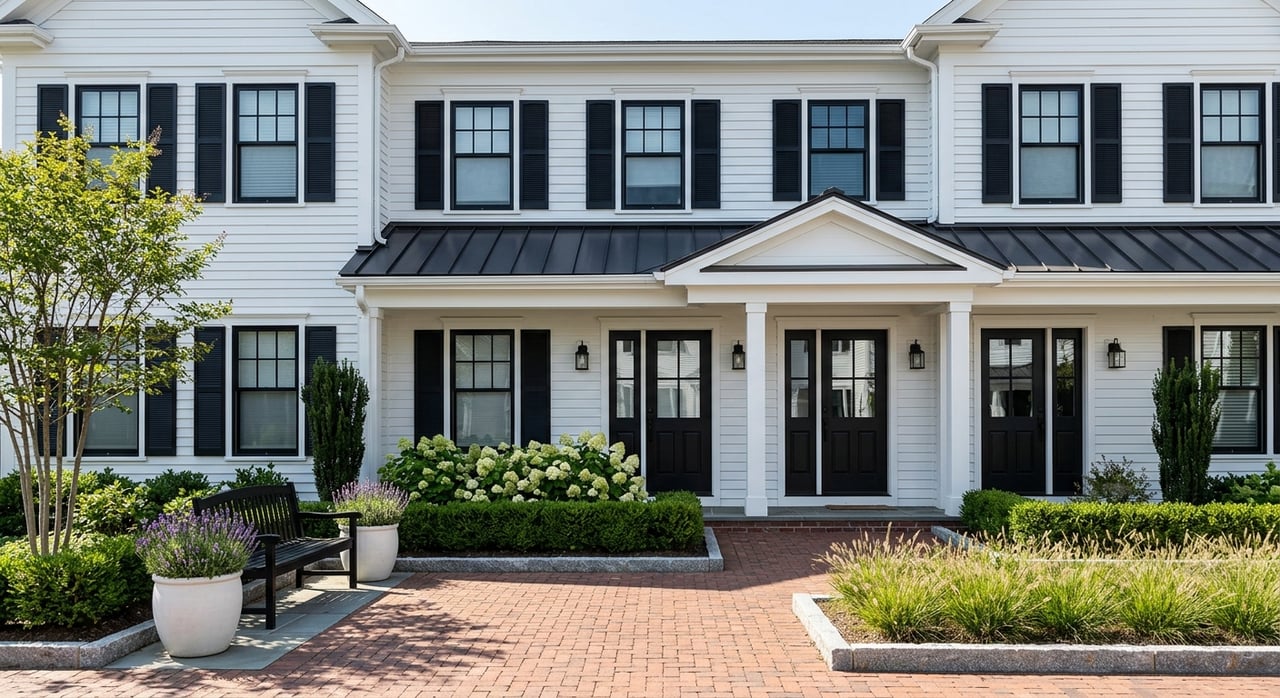
Low-Maintenance Northport Living: Condos, Co-Ops And Townhomes
July 16, 2026
July 16, 2026
If you love Northport’s harborfront charm but do not love the idea of constant yard work, exterior repairs, and weekend maintenance, low-maintenance housing may be worth a closer look. For many buyers, the appeal is simple: you can stay close to the village lifestyle while trading some hands-on ownership for convenience and shared upkeep. If you are weighing a condo, co-op, or townhome in Northport, this guide will help you understand the differences, the costs, and the questions to ask before you buy. Let’s dive in.
Northport offers a lifestyle that naturally pairs well with lock-and-leave housing. The village is known for its deep-water harbor, parks and beaches, historic architecture, and pedestrian-friendly downtown, all within roughly 55 minutes east of Manhattan.
That setting can be especially appealing if you want convenience without giving up location. Whether you are downsizing, buying a part-time residence, or simply looking for less day-to-day upkeep, a condo, co-op, or townhome can make it easier to enjoy Northport with fewer exterior responsibilities.
At first glance, condos, co-ops, and townhomes can seem similar. In practice, the ownership structure, monthly costs, and level of control can feel very different.
A simple way to think about it is this:
A condo often feels most familiar to buyers who want straightforward ownership. You typically own your individual unit, while shared spaces and certain exterior elements are maintained through the association.
That is where the low-maintenance tradeoff comes in. Monthly fees commonly help cover items like landscaping and maintenance of shared structures, driveways, and roofs. Those dues are usually paid separately from your mortgage, and they can range from a few hundred dollars to more than $1,000 per month.
For many Northport buyers, the benefit is convenience. You may have less exterior work to manage yourself, which can be attractive if you travel often, want a second home, or simply prefer a more streamlined lifestyle.
Co-ops work differently from condos, and that difference matters. In New York, when you buy a co-op, you are purchasing shares in a corporation that are allocated to a specific apartment, and those shares come with a long-term proprietary lease.
You also pay maintenance charges based on the number of shares tied to your unit. The property is governed by a board of directors and internal documents such as bylaws, the proprietary lease, and house rules.
For some buyers, a co-op can offer a lower entry point than other ownership types. Suffolk County’s April 2026 OneKey MLS report showed a countywide median co-op sales price of $257,750, compared with $550,000 for condos and $714,900 for single-family homes.
Still, the structure is different enough that you will want to understand the board process and rules early. A co-op can be a strong fit if you are comfortable with shared governance and want a lower-maintenance option with a different pricing profile.
Townhomes often appeal to buyers who want something that lives more like a house. You may get multiple levels, a more private entry, and a layout that feels closer to single-family living.
Even so, the association details are still important. In townhouse-style communities, offering plans should clarify ownership and maintenance responsibilities for common elements such as roadways, sidewalks, drainage systems, and retaining walls. They should also spell out whether roads are owned by the community or dedicated to the town or village.
That is an important distinction because it affects what you are responsible for and what your monthly charges help cover. If you want a house-like feel without handling every exterior task yourself, a townhome may offer the right middle ground.
One of the biggest realities in Northport is that low-maintenance housing appears to be limited. Public listing snapshots show only a small number of condo listings in Northport, with examples roughly in the $1.175 million to $1.499 million range, while single-family inventory is much broader.
Townhome availability also appears thin. That suggests a key point for buyers: in Northport specifically, low-maintenance options may be less about finding an entry-level purchase and more about finding a limited, often premium product in a highly desirable village setting.
It helps to separate the broader county market from Northport itself. Suffolk County data shows that condos and co-ops are meaningful parts of the market, but they do not move exactly like single-family homes.
In April 2026, OneKey MLS reported median sales prices of $714,900 for single-family homes, $550,000 for condos, and $257,750 for co-ops in Suffolk County. The same report showed condo inventory at 287 units and co-op inventory at 96 units, with condos averaging 67 days on market and co-ops 62, compared with 59 for single-family homes.
That tells you two things. First, low-maintenance housing is a real segment of the Suffolk market. Second, pricing, supply, and pace can differ from the single-family market, so it helps to evaluate these properties on their own terms.
Low-maintenance living is ultimately a lifestyle choice. You are often giving up some autonomy in exchange for less exterior maintenance and more shared responsibility.
For many buyers, that trade feels worthwhile. Instead of managing a full-size lot or coordinating every roof, drainage, or exterior issue yourself, you may be able to focus more on the parts of Northport life you actually want to enjoy.
That said, shared governance is part of the package. Monthly charges, community rules, and board oversight can all shape your day-to-day experience, so convenience should always be weighed alongside flexibility.
Before you move forward with any condo, co-op, or townhome, the documents matter as much as the floor plan. In New York, the Attorney General recommends reading the full offering plan and consulting an attorney before signing a purchase agreement.
You will also want to look closely at the financial and operational health of the community. Reserve funding, special-assessment history, board minutes, and any pending litigation can all affect the property’s stability, future costs, and marketability.
A few key items to review include:
Insurance is another area where buyers should slow down and ask questions. Condominium projects should carry master or blanket property insurance and liability coverage, but that does not always mean your unit’s interior is fully covered.
Depending on the master policy, you may need your own HO-6 walls-in coverage. Understanding where the building’s policy stops and your personal responsibility begins can help you avoid expensive surprises later.
In Northport, low-maintenance housing can make sense for several kinds of buyers. The common thread is usually the same: you want the benefits of the village setting without the full workload of detached-home ownership.
This type of property may be worth exploring if you are:
If your priority is maximum control, a single-family home may still be the better fit. But if your priority is ease, simplicity, and location, a condo, co-op, or townhome can be a smart alternative.
Because Northport’s low-maintenance inventory appears limited, preparation matters. You will want to define your budget carefully, account for monthly charges separately from the mortgage, and be ready to compare ownership structures, not just square footage.
It also helps to stay flexible. In a market where supply is constrained and pricing remains firm across Nassau and Suffolk, the right opportunity may depend on timing, product type, and how comfortable you are with association rules and shared costs.
A thoughtful search is not just about finding a beautiful unit. It is about finding the right fit between lifestyle, financial comfort, and ownership structure.
If you are considering a move in Northport and want a clear, local perspective on what low-maintenance living really looks like here, Lauryn Koke can help you evaluate your options with care, market insight, and personalized guidance.
Stay up to date on the latest real estate trends.

Get assistance in determining current property value, crafting a competitive offer, writing and negotiating a contract, and much more. Contact me today.