How to Sell a Waterfront Home in Lloyd Harbor
June 11, 2026
June 11, 2026
If you are selling a waterfront home in Lloyd Harbor, you are not just putting a property on the market. You are preparing a high-value asset in one of Long Island’s most distinct shoreline communities, where privacy, permitting, and pricing all matter. The good news is that with the right preparation, you can reduce surprises, build buyer confidence, and position your home more effectively from day one. Let’s dive in.
Lloyd Harbor is an incorporated village on Long Island’s North Shore with about 3,400 residents and roughly 1,200 homes across 9.2 square miles. The village places a strong focus on preserving rustic character and privacy, which shapes how properties are maintained, improved, and marketed.
For you as a seller, that means buyers often look beyond the home itself. They may also pay close attention to shoreline features, exterior improvements, setbacks, tree issues, docks, and the overall care of the property. In a place with stricter local rules, the details matter.
Recent market reports point to the same broad pattern, even though the numbers vary by source. Lloyd Harbor remains a high-value market, but buyers are selective and homes can take time to sell.
Zillow reported an average home value of $2,041,336 as of April 30, 2026, with 14 homes for sale and 5 new listings. Redfin reported a median sale price of $2.9 million in March 2026, with a median 122 days on market and a 96.7% sale-to-list ratio. Realtor.com reported a median listing price of $3.17 million and said homes sold about 3.4% below asking on average in March 2026.
The takeaway is simple: pricing strategy matters early. In a market where longer timelines are normal and homes often trade below list price, testing the market with an aggressive premium can make it harder to build momentum.
Waterfront sellers sometimes assume rarity alone will carry value. In Lloyd Harbor, rarity helps, but it does not replace a sharp launch strategy.
Because buyers at this price point tend to be careful, your first impression in the market is important. If your home enters too high and then sits, buyers may start to wonder whether there are issues with condition, permits, or flood exposure, even when the property is strong.
A more effective approach is to position your home based on current competition, recent sale patterns, and the specific features buyers can verify. Those features may include water frontage, dock status, bulkhead condition, views, privacy, lot characteristics, and documented approvals for improvements.
Before you focus on paint colors or furniture placement, make sure your paperwork is in order. In Lloyd Harbor, documentation often plays a major role in both pricing leverage and closing speed.
The village states that many changes require applications and review. Its building permit guidance says additions, grading or filling, retaining walls or bulkheads, and docks all require permits, and dock approvals can differ based on whether the property faces Lloyd Harbor, Long Island Sound, or Cold Spring Harbor.
That means buyers may ask for more than a basic property overview. They may want to see records that support what exists on the site and whether prior work was properly approved.
When these items are organized in advance, you are often in a better position to answer questions quickly and keep negotiations moving.
One of the biggest mistakes sellers make is assuming that older shoreline features are automatically acceptable because they have been there for years. In Lloyd Harbor, that is not a safe assumption.
The village warns that failing to obtain proper permits can lead to delays, stop-work orders, fines, and added costs. Its review framework includes multiple boards and commissions, which shows how carefully site and waterfront changes may be examined.
New York State can add another layer. The Department of Environmental Conservation says regulated adjacent areas for tidal wetlands can extend up to 300 feet inland from the wetland boundary, and activities such as docks, dredging, clearing, construction, and beach nourishment can require permits.
If any of these improvements were added, repaired, or expanded over time, it is wise to understand what approvals exist before your home goes live.
Starting July 1, 2025, New York requires a revised Property Condition Disclosure Statement for residential sales. For waterfront homeowners, this is especially important because the form asks direct questions about flood and wetland conditions.
The disclosure includes questions about FEMA floodplain location, special flood hazard areas, moderate-risk flood hazard areas, flood insurance, elevation certificates, prior flood claims, and whether any part of the property is in a wetland. It also notes that standard homeowners insurance typically does not cover flood damage.
For you, that means it helps to prepare these answers before buyers ask. Clear, accurate disclosure supports trust and can reduce last-minute scrambling during contract negotiations.
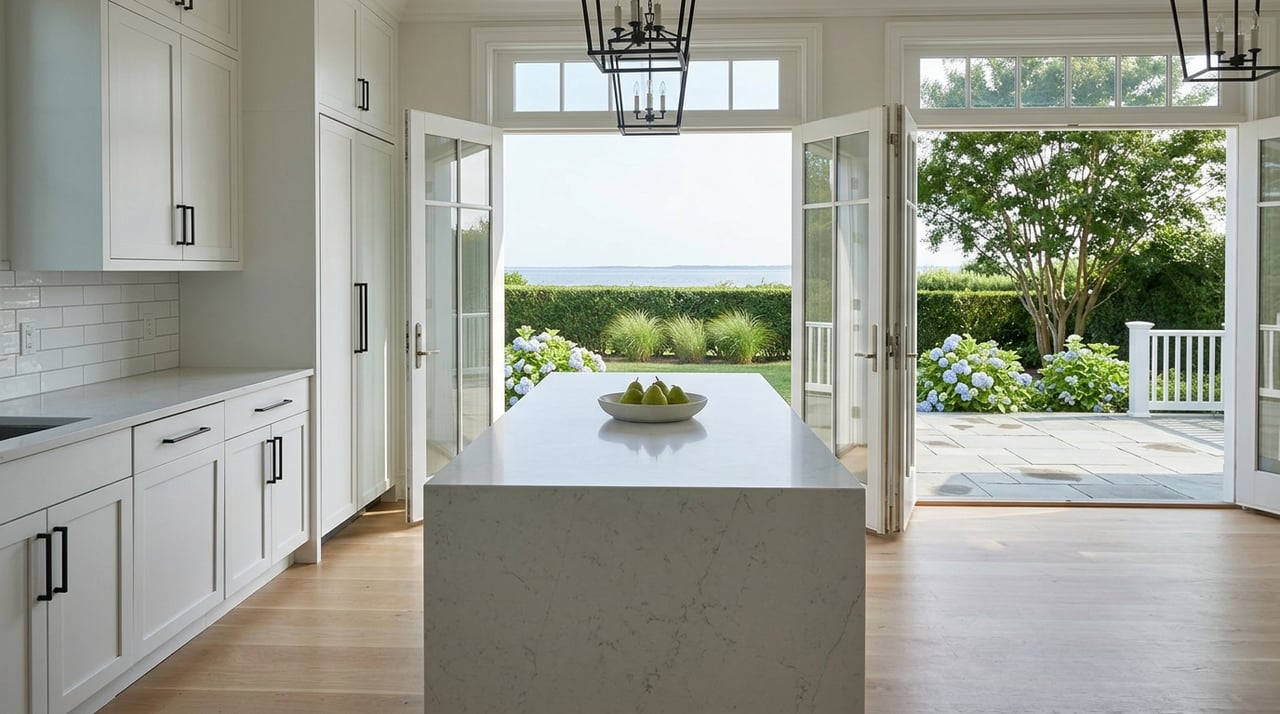
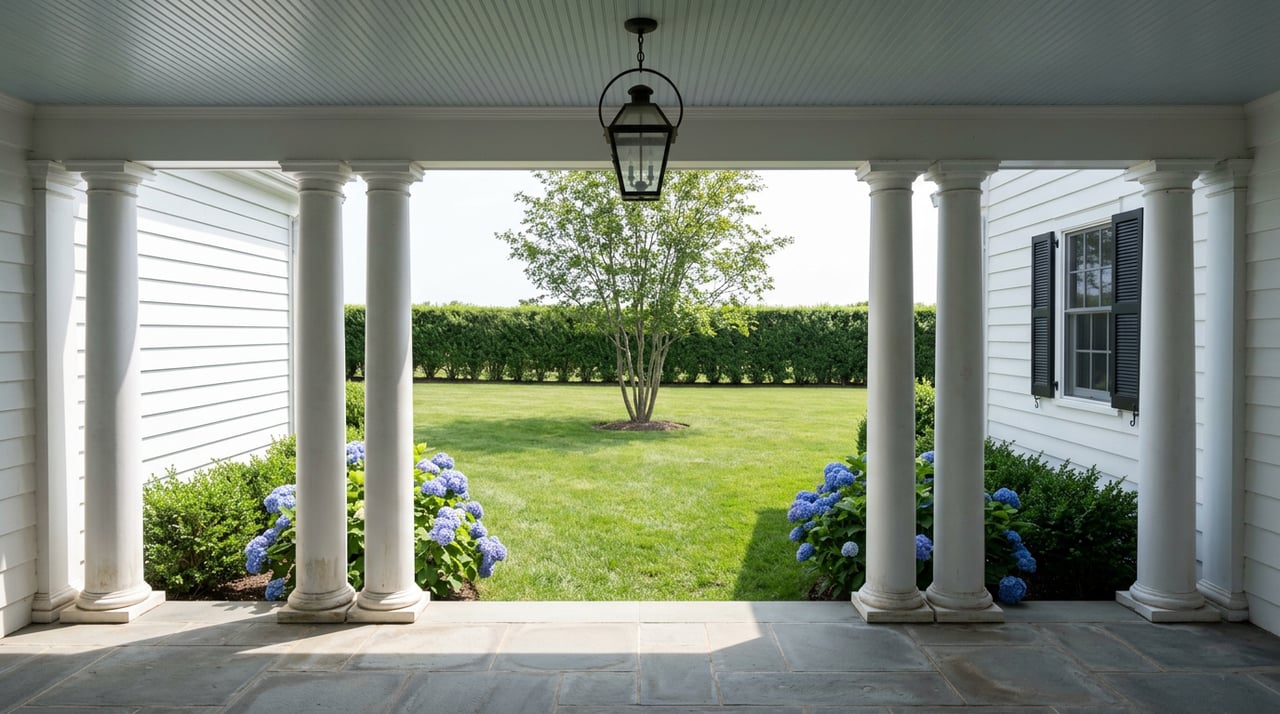
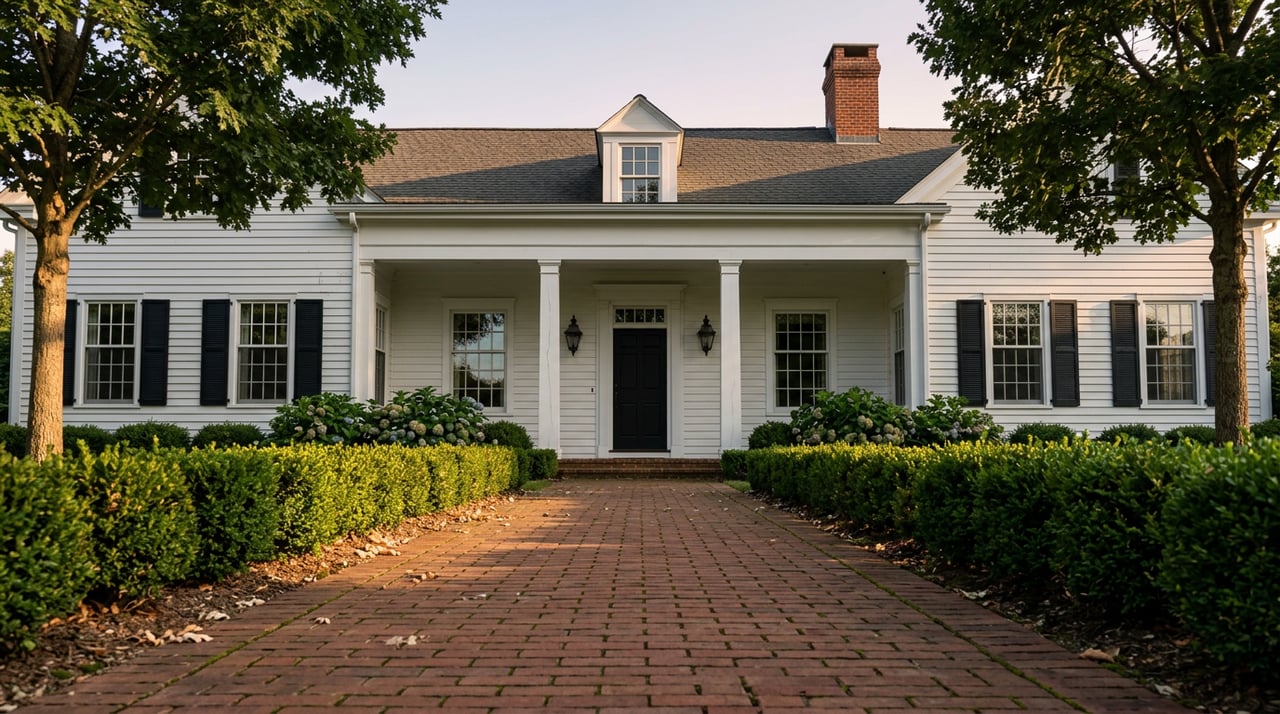
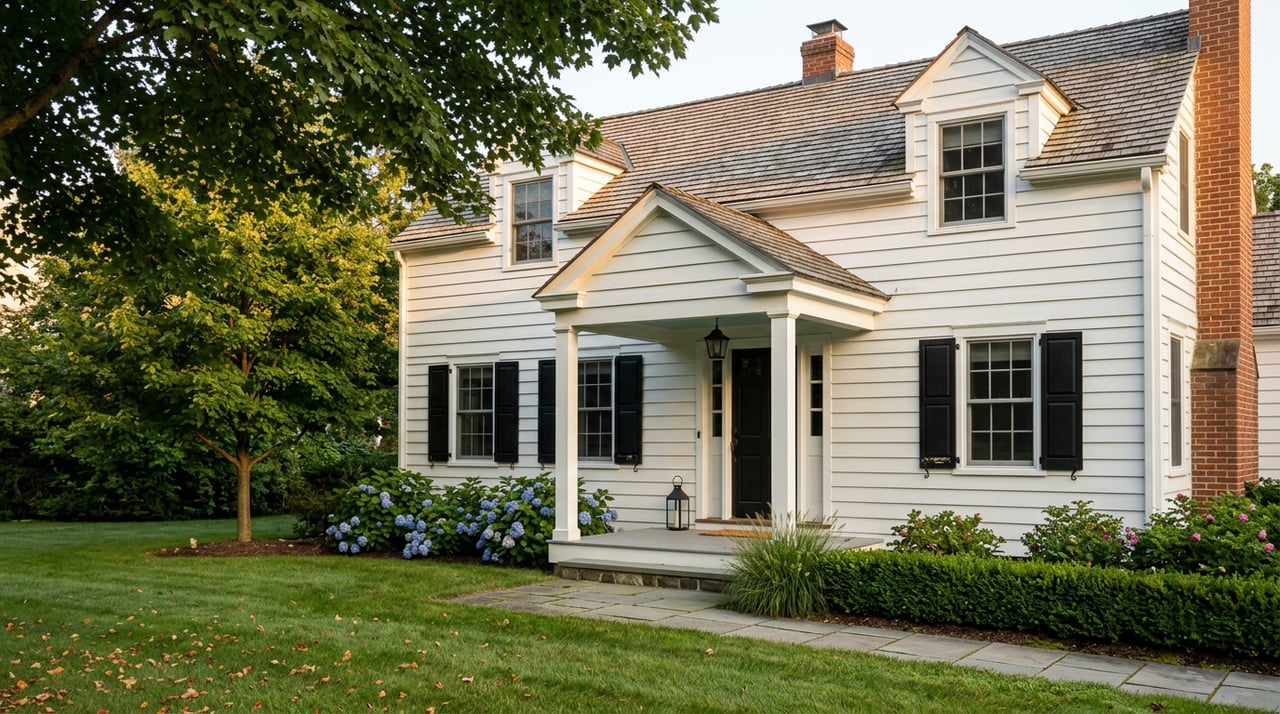
Once your documents are in order, presentation matters. In Lloyd Harbor, buyers are often drawn to privacy, shoreline lifestyle, and the feeling that a property has been carefully maintained.
Your goal is not to over-style the home. Your goal is to show clean stewardship of the house, the land, and the waterfront setting.
This kind of preparation supports buyer confidence. It also helps your home feel aligned with the local character Lloyd Harbor is known for.
In many waterfront sales, the strongest results begin months before the listing goes live. That is especially true in Lloyd Harbor, where permit history, flood information, and site conditions can influence both value and timing.
Given the recent market data showing a 122-day median time on market and average sales below asking, starting 6 to 18 months ahead of your target launch can be a smart move. That timeline gives you room to gather records, resolve questions, improve presentation, and make pricing decisions with less pressure.
Early preparation can also help you avoid a reactive sale. Instead of negotiating around open questions, you can come to market with a stronger narrative and a cleaner package.
If you want to sell a waterfront home in Lloyd Harbor with fewer surprises, think in phases. A calm, organized approach usually serves luxury and estate properties better than a rushed one.
This kind of structure fits the white-glove approach many Lloyd Harbor sellers expect. It also helps protect your leverage in a market where buyers often move carefully.
Not every luxury sale is the same, and not every waterfront listing follows a standard path. In Lloyd Harbor, the combination of price point, local regulation, privacy expectations, and shoreline considerations creates a more detailed selling process.
That is why local knowledge matters. You want guidance that understands not just how to market a beautiful property, but how to manage the details that can shape buyer confidence, negotiations, and contract timing.
If you are thinking about selling, a thoughtful strategy can make a meaningful difference. For a complimentary, confidential home valuation and tailored selling guidance, connect with Lauryn Koke.
Stay up to date on the latest real estate trends.



Get assistance in determining current property value, crafting a competitive offer, writing and negotiating a contract, and much more. Contact me today.