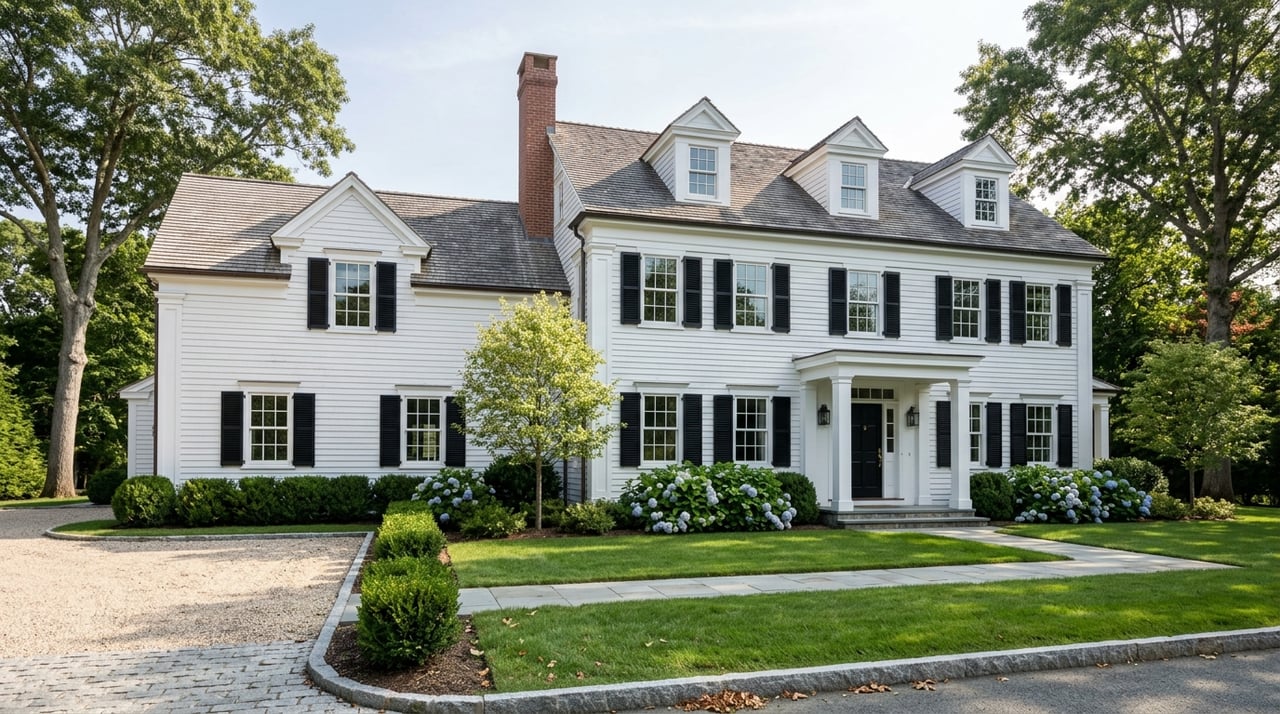
Cold Spring Harbor Estate Homes: Questions Buyers Should Ask
June 4, 2026
June 4, 2026
If you are searching for a North Shore estate with history, privacy, and a true harbor setting, Cold Spring Harbor likely already has your attention. It is a beautiful market, but it is not a simple one. From historic district rules to sloped lots and septic questions, buying here takes more than a quick walk-through. This guide will help you understand what to look for before you make an offer. Let’s dive in.
Cold Spring Harbor sits at the western end of Suffolk County near the Nassau-Suffolk boundary and is one of the Town of Huntington’s five north-shore harbors. That location gives you a unique mix of village character, wooded topography, and proximity to the water.
This is also a luxury market with very limited inventory. As of spring 2026, available data showed only a small number of homes for sale, with pricing metrics that varied by source, including an average home value of $1,672,270, a median listing price of $1,875,000, and a February 2026 median sale price of $1.2M. Taken together, that points to a high-end market where each property can differ significantly from the next.
Estate homes in Cold Spring Harbor are shaped by the area’s long history and uneven terrain. The harborfront became a summer-resort setting for larger homes in the mid-19th century, and many parcels today remain wooded, sloped, and oriented toward views rather than laid out on flat suburban grids.
For you as a buyer, that means no two homes feel exactly alike. Lot usability, privacy, view corridors, and access can vary dramatically, even between homes that seem close together on a map.
Cold Spring Harbor was one of Huntington’s original settlements and began as a whaling port. The town identifies four core historic districts in the area: Harbor Road, Shore Road, Main Street, and Goose Hill Road.
These areas include a broad mix of older architectural styles and lot patterns. In many cases, the homes are part of what gives the area its identity, which is a major draw for buyers who want character that cannot be easily recreated.
The area’s hilly terrain matters in a practical way. Cold Spring Harbor State Park describes the area as hilly, and town planning materials note that the hamlet center sits in a valley descending toward the harbor.
That can affect your driveway, drainage, garage access, and winter maintenance. A property may look perfect in listing photos, but the day-to-day function of the site deserves close attention.
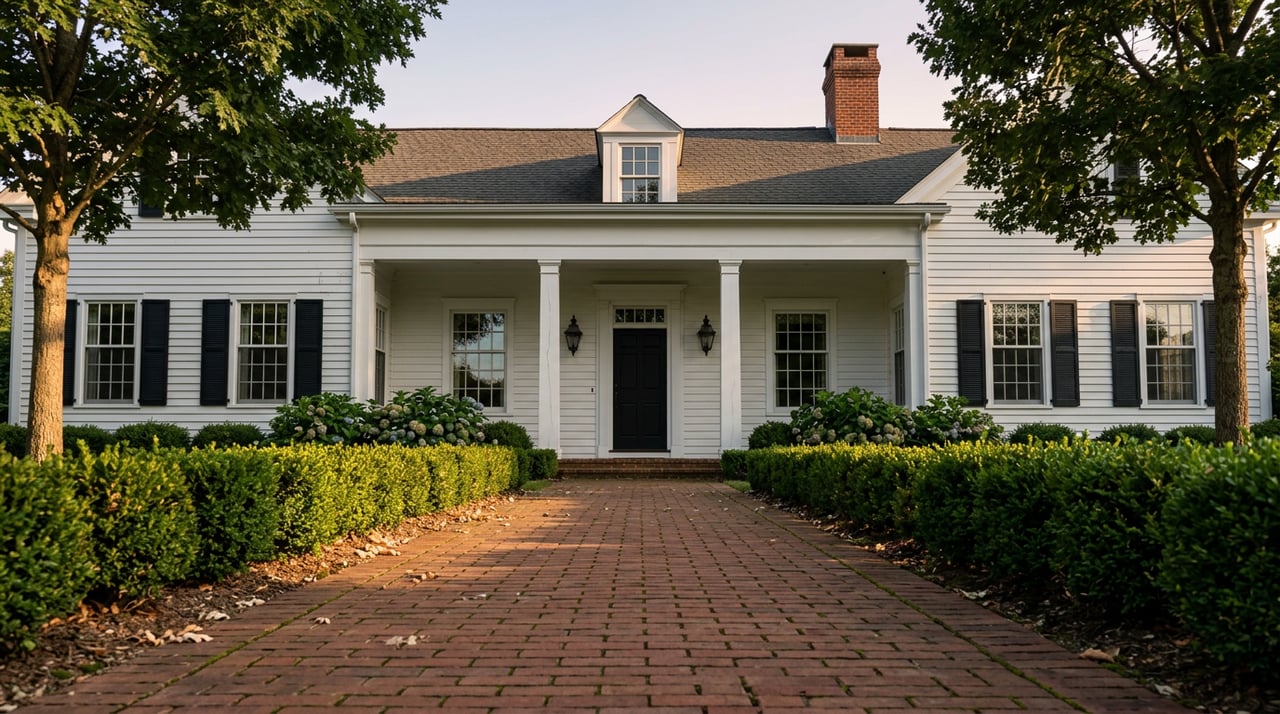
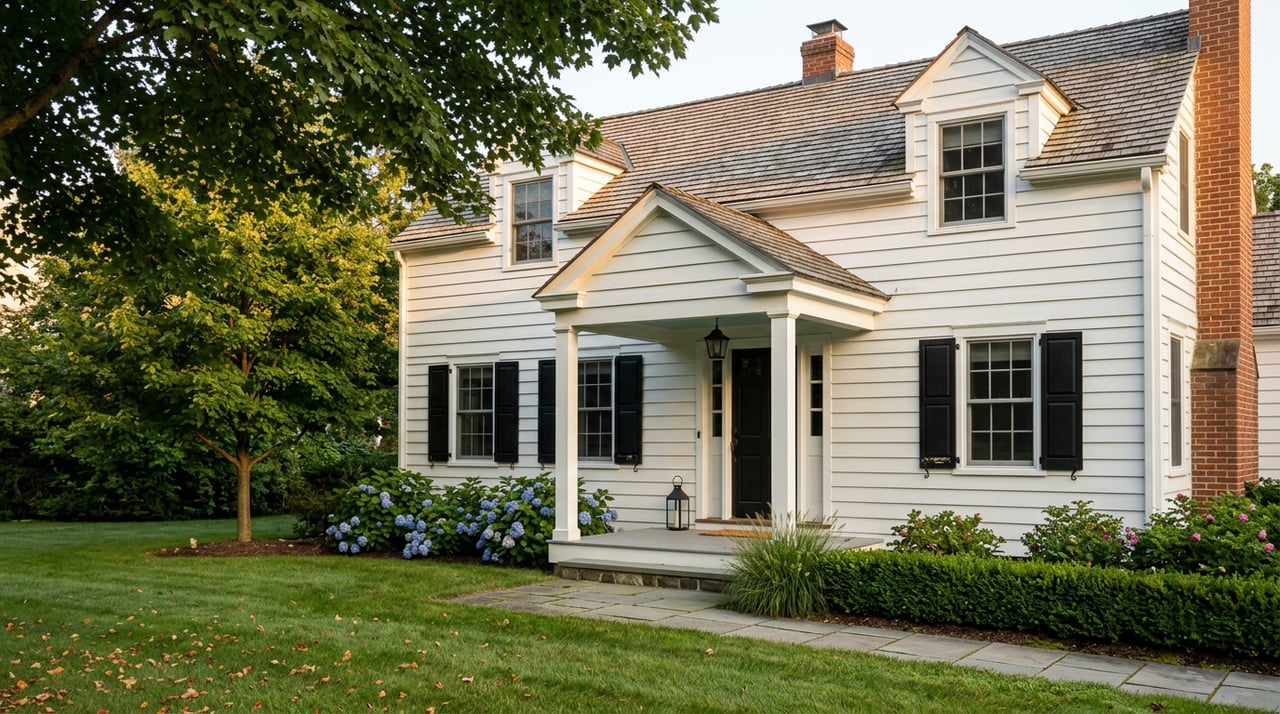
These areas are known for large wood-frame residences dating to the early and mid-19th century. Many homes reflect Federal and Greek Revival roots, with later Queen Anne or Italianate changes over time.
Lots here are often large, wooded, and view-oriented. Some sit on steep banks above the water, which can make the setting especially striking but also more complex from an access and maintenance standpoint.
Main Street has the most village-like feel of the four historic areas. It is denser than some of the other sections and includes a mostly residential core with some commercial or converted-use buildings.
Many contributing buildings date from about 1855 to 1890. Architectural styles include Federal, Greek Revival, Gothic Revival, Queen Anne, and Shingle, giving this area a layered and established look.
Goose Hill Road has a more rural feel. Historic materials describe it as a remnant of early agricultural settlement, with large wooded plots and a landscape that remained comparatively undeveloped.
If you value privacy and a quieter setting, this part of Cold Spring Harbor may be especially appealing. At the same time, its less-developed character can mean you need to pay even closer attention to site conditions and infrastructure.
One of the biggest things buyers should understand is that a beautiful older home may come with added review requirements. In Huntington, the Town Board and Historic Preservation Commission have authority over historic landmark and historic district designations.
In practical terms, exterior alterations, additions, demolition, and some site work on designated properties can take longer and may be subject to design constraints. That does not mean you cannot improve a home. It means you should understand the approval path before you count on a fast renovation timeline.
When you tour a property, ask:
These questions can save you time, money, and frustration later in the transaction.
Utilities are another major piece of the puzzle. The Town states that water is provided by Suffolk County Water Authority and town water district plants, but Cold Spring Harbor has had longstanding sewer limitations.
Town planning documents note that the lack of public sewer, combined with small lot sizes and high groundwater in some areas, can make septic installation difficult. The town’s Septic Improvement Program also notes that many parcels will never connect to sewer and may qualify for grants toward approved systems.
You should find out:
For estate buyers, these are not minor details. They can influence renovation scope, future costs, and long-term property planning.
In a harbor market, water access and water views often add to a home’s appeal. They can also add another layer of due diligence.
For waterfront or low-lying lots, the official parcel-by-parcel source for flood-hazard information is FEMA’s Flood Map Service Center. Elevation, shoreline exposure, and flood-zone status can affect insurance costs, carrying costs, and what improvements may be practical over time.
Two nearby properties can have very different flood considerations. That is why parcel-specific review is so important in Cold Spring Harbor.
If a home is close to the harbor or on a lower site, make sure you understand the flood designation and how it may affect ownership costs. This is especially important if you are comparing several homes with similar price points but very different site conditions.
In many suburban markets, buyers focus mainly on square footage and finishes. In Cold Spring Harbor, the land itself deserves equal attention.
A steep driveway may affect winter access. A heavily wooded lot may offer privacy, but it can also change drainage, light, and maintenance needs. Garage placement, retaining walls, and grading should all be evaluated with the same care you would give to the house itself.
As you walk a property, consider asking:
These practical questions can help you look beyond surface appeal.
Cold Spring Harbor tends to be a strong fit if you value historic character, privacy, and a waterfront-adjacent setting. It can be especially appealing if you appreciate homes with architectural personality and you are comfortable doing more thorough due diligence.
It may be a less natural fit if you want a flat lot, a very fast renovation process, or the simplicity of a more standardized suburban housing stock. In this market, patience and careful property review usually lead to better decisions.
The best approach is to evaluate each property on its own terms. In a market with low inventory and meaningful variation between listing prices and closed-sale data, broad averages only tell part of the story.
What matters most is how a specific home aligns with your goals. That includes not just style and location, but also site usability, historic status, infrastructure, and the practical realities of ownership.
If you are considering an estate home in Cold Spring Harbor, local insight can make a real difference. Working with someone who understands the harbor market, historic housing stock, and the nuances of waterfront-adjacent property helps you move with more confidence.
If you are ready to explore Cold Spring Harbor estate homes or want guidance on how to evaluate a specific property, connect with Lauryn Koke for tailored, high-touch support.
Stay up to date on the latest real estate trends.
Get assistance in determining current property value, crafting a competitive offer, writing and negotiating a contract, and much more. Contact me today.