How to Prepare a Luxury Home for Sale in Oyster Bay
July 23, 2026
July 23, 2026
Are you thinking about listing a luxury home in Oyster Bay? In a market where pricing can vary widely from one property to the next, preparation matters just as much as presentation. If you want to protect your privacy, reduce last-minute surprises, and position your home well from day one, a thoughtful pre-listing plan can make a real difference. Let’s dive in.
Luxury homes in Oyster Bay do not move in one simple price band. Recent data points show a wide range depending on the source, from broader Nassau County pricing to Oyster Bay listing and sales figures that vary significantly by platform.
That is why a luxury seller should avoid relying on a single townwide median. In March 2026, Nassau County single-family homes showed a rolling 12-month median sales price of $840,000, with sellers receiving 99.3% of original list price on average and inventory down 2.6% year over year. At the same time, Oyster Bay figures reported by major portals ranged from about $709,575 median sale price to listing medians above $2.7 million, with one source citing 108 median days to sell.
For luxury homes, the better approach is to compare your property against recent homes with similar location, lot size, condition, and features. In the Oyster Bay 11771 market, recent OneKey MLS examples ranged from a $2.05 million closed sale to pending homes near $2.5 million and $4 million, with another property asking $7.495 million.
That spread tells you something important. A renovated estate, a waterfront property, and a more standard single-family home may all sit under the Oyster Bay umbrella, but they compete in very different lanes.
Before you list, make sure your pricing strategy reflects how buyers will evaluate your home. In the luxury segment, buyers tend to compare details closely, especially waterfront setting, privacy, acreage, renovation level, and overall finish quality.
A pricing plan should look beyond countywide averages and focus on homes that truly match yours. That means same neighborhood when possible, similar lot dimensions, similar views or waterfront access, similar age and condition, and a comparable level of updates.
If your home has a premium feature, it should be supported by relevant comps. A broad median cannot explain the value difference between a house that needs work and a move-in-ready property with estate-scale grounds or a water-facing setting.
One of the smartest things you can do before listing is review your property's paperwork. In Oyster Bay, this is especially important if you have completed additions, interior alterations, installed a pool, added fencing over four feet, or built a raised deck over eight inches.
The Town of Oyster Bay Building Division handles permits and certificates of occupancy. The town states that altered or enlarged buildings cannot be occupied until a certificate of occupancy is issued, while work that does not require a certificate of occupancy remains open until a certificate of completion is issued after final inspection.
If any past work lacks final sign-off, address it before your home hits the market. Buyers paying luxury-level prices often expect a smoother diligence process, and unresolved municipal issues can slow negotiations or create avoidable friction.
It also helps to plan ahead for inspection requests and any needed town follow-up. The town requires inspection requests to be submitted through its online portal in advance, so timing matters.
Disclosure is no longer something to leave until the last minute. New York's revised Property Condition Disclosure Statement became mandatory beginning July 1, 2025.
According to the New York Department of State, the seller must deliver the form before the buyer signs a binding contract. The department also states that the form is not a warranty, buyers are encouraged to obtain independent professional inspections and environmental tests, and sellers must provide a revised disclosure if they later learn of a material inaccuracy.
The updated form also adds instructions on septic system operation and maintenance. If your property uses a septic or cesspool system, that is another reason to review records and condition before listing.
If you want fewer surprises during contract negotiations, a pre-listing inspection can be a smart move. The New York Department of State defines a home inspector as someone who provides a written report on a residential building's systems and components, including heating, cooling, plumbing, electrical, and structural elements like the roof and foundation.
That gives you a strong starting point. If the inspection reveals a larger concern, you can then bring in an engineer, architect, or trade specialist as needed.
For luxury sellers, early inspection work can protect both time and leverage. You get a clearer view of what a buyer's inspector is likely to flag, and you can decide which issues to repair, disclose, or price around before the home is publicly marketed.
The Property Condition Disclosure Statement highlights the issues most likely to matter during buyer diligence. These include radon, mold, asbestos, lead plumbing, flooding or drainage problems, basement seepage, water damage, termite or pest damage, roof defects or age, and electrical defects.
Use that list as a practical checklist. Start with safety and disclosure-related items, then move to deferred maintenance, then cosmetic improvements that support presentation.
For homes in waterfront or lower-lying locations, flood exposure and drainage deserve extra attention. Oyster Bay participates in the National Flood Insurance Program and uses FEMA flood maps, so understanding your property's flood-related context can be especially relevant before listing.
If your home was built before 1978, lead-related rules should be part of your preparation. Federal requirements call for sellers to disclose known lead-based paint information, provide available records and reports, give buyers the lead pamphlet, and allow a 10-day period for a lead inspection or risk assessment.
If you are planning touch-ups or renovation work before listing, be thoughtful about how that work is handled. The EPA recommends a lead-safe certified renovator when renovation will disturb painted surfaces in a pre-1978 home.
This does not mean every older home is a problem. It simply means that careful preparation and complete documentation can help keep your transaction organized and transparent.
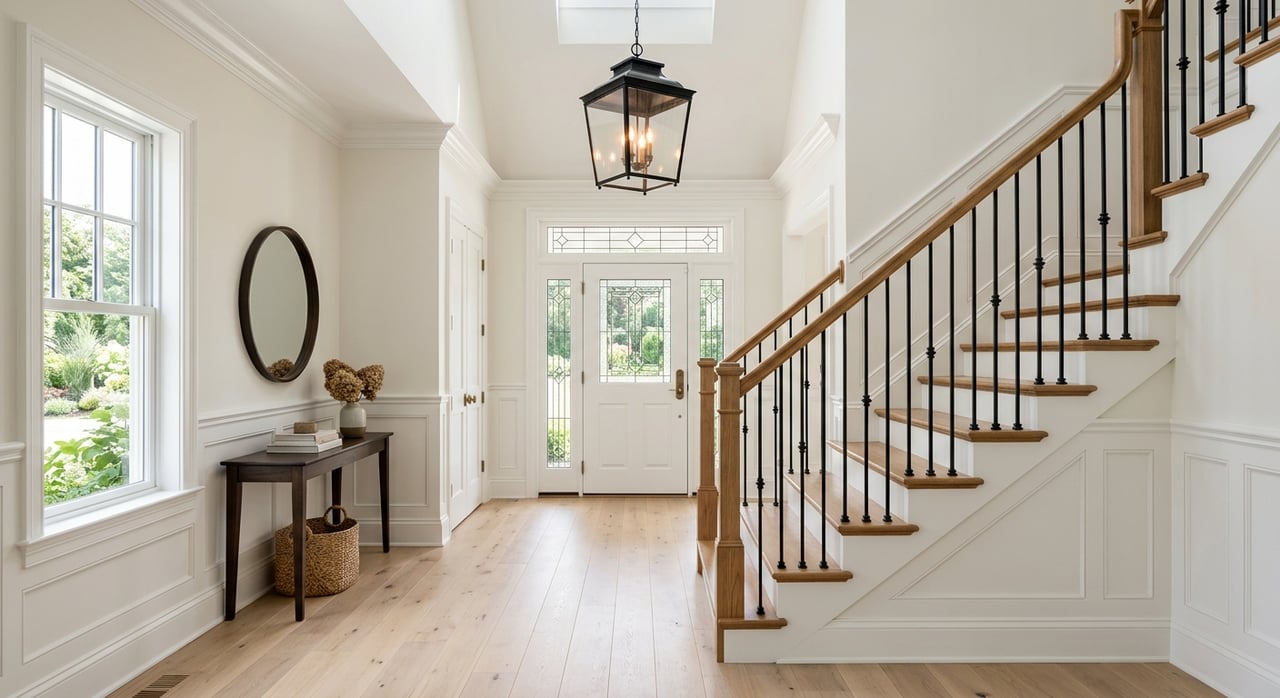
Luxury buyers notice how a home feels the moment they walk in. Clean sightlines, strong natural light, and a calm sense of space can shape how they respond to the property.
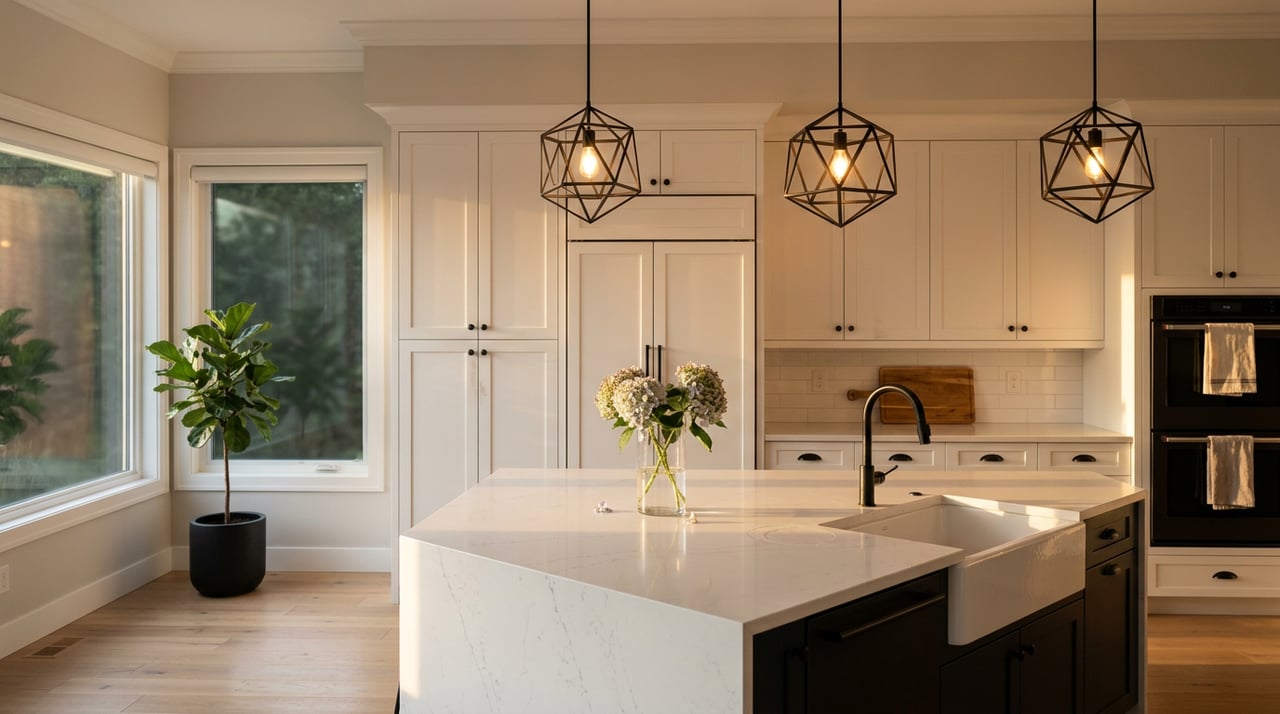
Staging can support that experience. In the National Association of Realtors' 2025 staging report, 83% of buyers' agents said staging makes it easier for buyers to visualize a property as a future home. The report also found that 17% said staged homes increased the dollar value offered by 1% to 5%, and that the living room, primary bedroom, and kitchen were the most important rooms to stage.
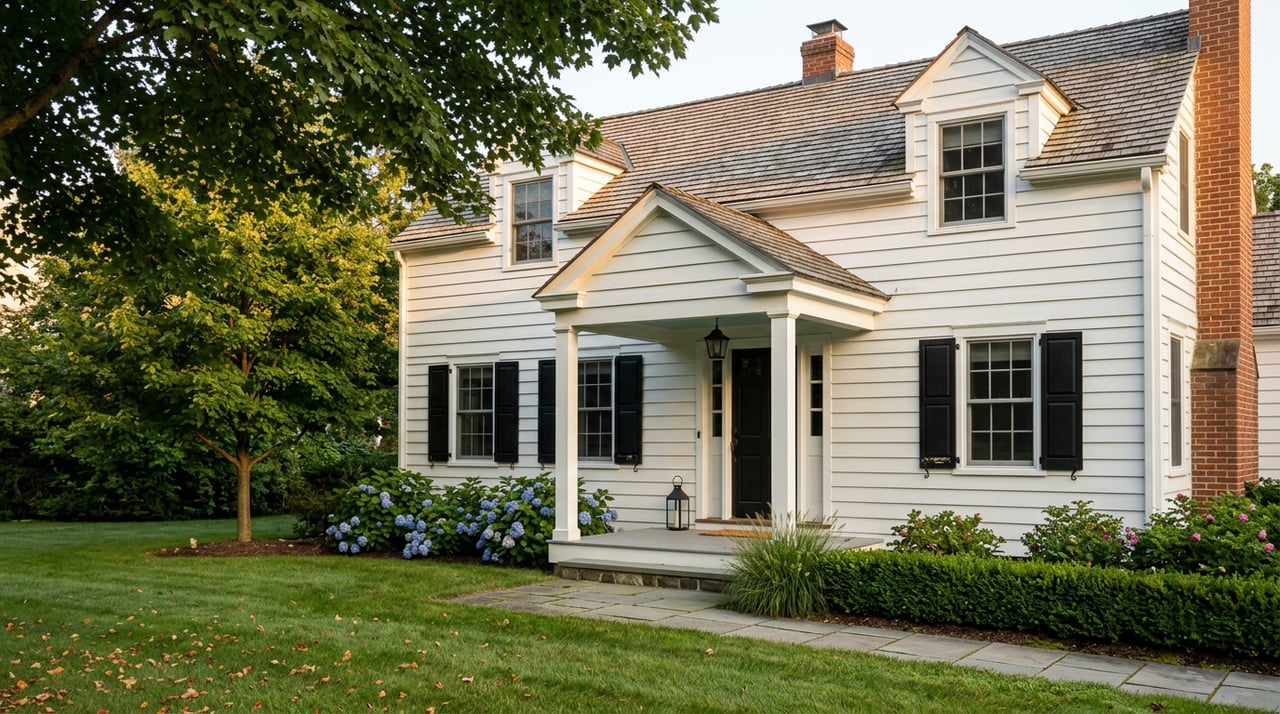
For Oyster Bay luxury homes, the goal is usually not over-decorating. It is creating a polished, restrained presentation that lets architecture, scale, finishes, and setting stand out.
If you are deciding where to invest time and money, begin with the spaces buyers tend to remember most:
In many luxury homes, less is more. Edit furniture, reduce personal items, and create a sense of openness so buyers can focus on the home itself.
Preparation is not only about aesthetics. It is also about control.
The National Association of Realtors' seller checklist recommends clearing counters, wiping surfaces, replacing used towels, neutralizing odors, and securing valuables before every showing. It also advises putting away jewelry, firearms, collectibles, electronic devices, and prescription medications.
That guidance matters even more in the luxury market. A higher-end showing strategy should include fewer visible personal items, limited display of valuables, and a more deliberate approach to access.
Pets should be taken with you during showings, and alarm procedures should be handled carefully. The goal is to help buyers experience the property comfortably while protecting your household's privacy and security.
The strongest luxury listings usually share the same foundation. They are priced against relevant local comps, supported by clean documentation, prepared for likely inspection questions, and presented with care.
If you are preparing a luxury home for sale in Oyster Bay, a focused checklist can help:
When these details are addressed early, your listing can enter the market with more confidence and fewer distractions.
Selling a luxury home is rarely about one decision. It is the result of many smart decisions made in the right order. If you want a tailored plan for pricing, preparation, staging guidance, and white-glove marketing for your Oyster Bay property, Lauryn Koke can help you take the next step with care and discretion.
Stay up to date on the latest real estate trends.
Get assistance in determining current property value, crafting a competitive offer, writing and negotiating a contract, and much more. Contact me today.